 Margen
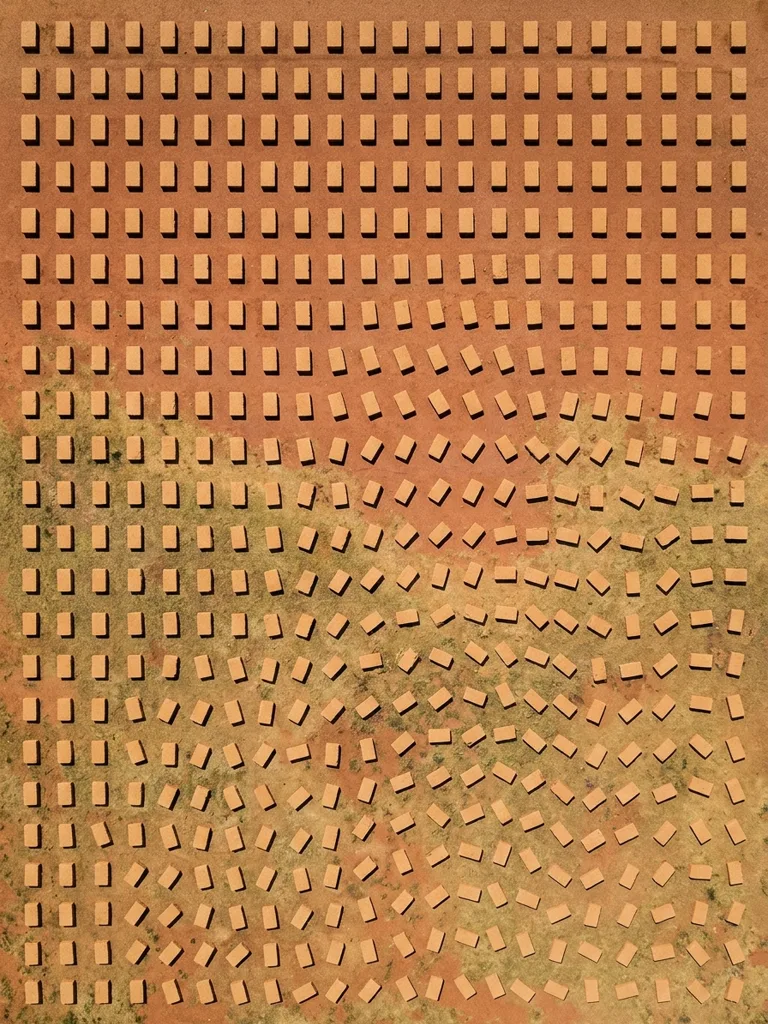
Kashasha, a village in the Bukoba district, 30 January 1962: three pupils at a mission boarding school began to laugh and could not stop. Later accounts of the episode speak of around fourteen schools closed and close to a thousand people affected in Tanganyika, the territory that today makes up mainland Tanzania. The clinical paper published in 1963 described what its authors observed: at Kashasha, 95 of the 159 pupils suffered attacks. Almost six out of every ten boarders.
What they went through involved weeping, agitation, fear, sudden running and exhaustion. Each attack could last from a few hours to a few days. Then it stopped, but some pupils suffered it again. That succession of individual relapses was a different thing from the outbreak as a whole, which went on for months and reached communities far from the school.
The school closed on 18 March. Sending the pupils back to their villages made it easier for the problem to travel. The closure protected the classrooms and not the girls. In Nshamba, where several of them lived, some 217 people fell ill. At Ramashenye, a girls' school near Bukoba, 48 of its 154 pupils were affected. Almost one in three.
Kashasha reopened in May and had to close again when the attacks came back. Other schools suspended classes as episodes appeared among their pupils. No treatment was found that could stop them. The closures did not work as a cure either: they interrupted a school's activity, but they put the pupils back together with the families and neighbours of their own villages.
The doctors A. M. Rankin and P. J. Philip looked for fever, poisoning, infections and lesions that might explain the picture. They found no cause and left the trigger unexplained. Nor did they record any deaths connected to the episode.
Tanganyika had become independent in December 1961, a few weeks before the first case. That was the political background of the time, not a cause established by the doctors. Rankin and Philip did not attribute the start to the school's discipline either. Their paper did not settle why those three particular pupils were the first.
The episode was later classified as mass psychogenic illness. In practice, a pupil could see a classmate laugh, cry or run and begin to show a similar response, even though the examinations showed no shared infectious agent. The accounts place the end of the various waves between six and eighteen months after it began.
The teaching staff at Kashasha went on working through both reopenings of the school; the report recorded no attacks among them. The episodes stayed among the pupils and, afterwards, among the people of their villages.