 Margen
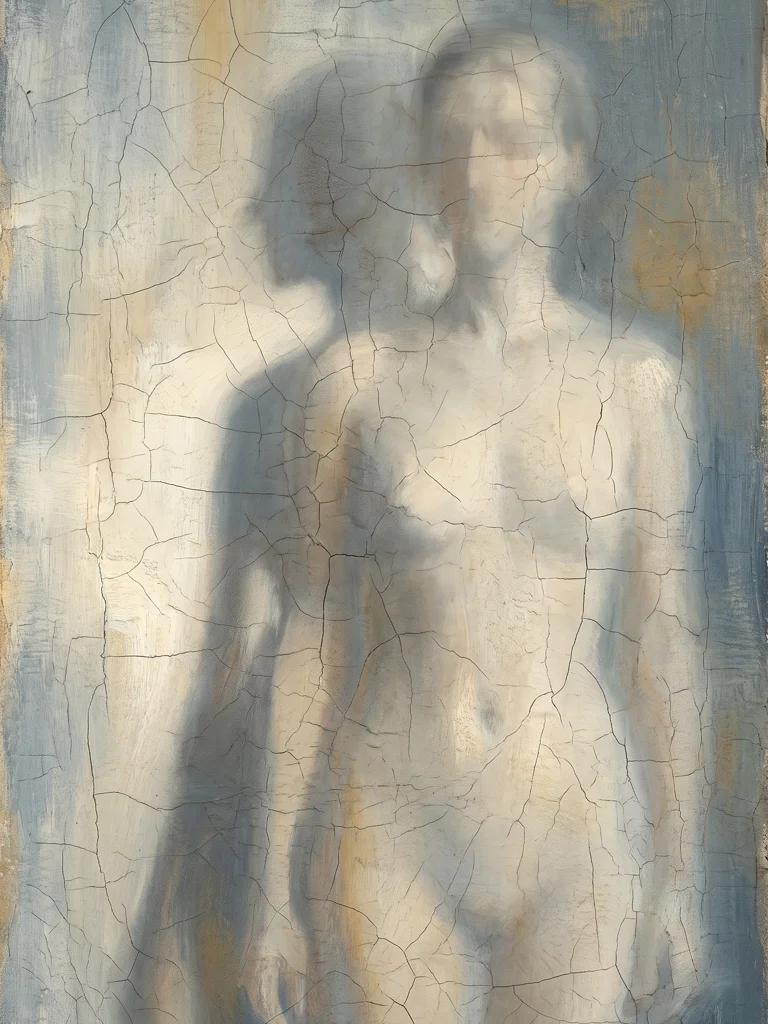
Han van Meegeren was a Dutch painter scorned by the critics. His revenge was flawless: he invented unknown 'Vermeers', ageing the canvas with ovens and resin, and the very experts who had dismissed him hailed them as masterpieces.
One of those fake Vermeers ended up in the hands of Hermann Göring, the second most powerful man in Nazi Germany, who paid a fortune for it. When the war ended, the Allies traced the painting and arrested Van Meegeren for something far worse than fraud: selling national heritage to the enemy.
His only defence was to confess. Since nobody believed he could paint that well, he proved it: under guard, in front of witnesses, he painted a brand-new 'Vermeer' before his accusers.
It worked. The collaboration charge collapsed, leaving a lighter sentence for forgery. He died weeks later, transformed into something unheard of: a national hero whose great achievement was swindling the Nazis.