 Margen
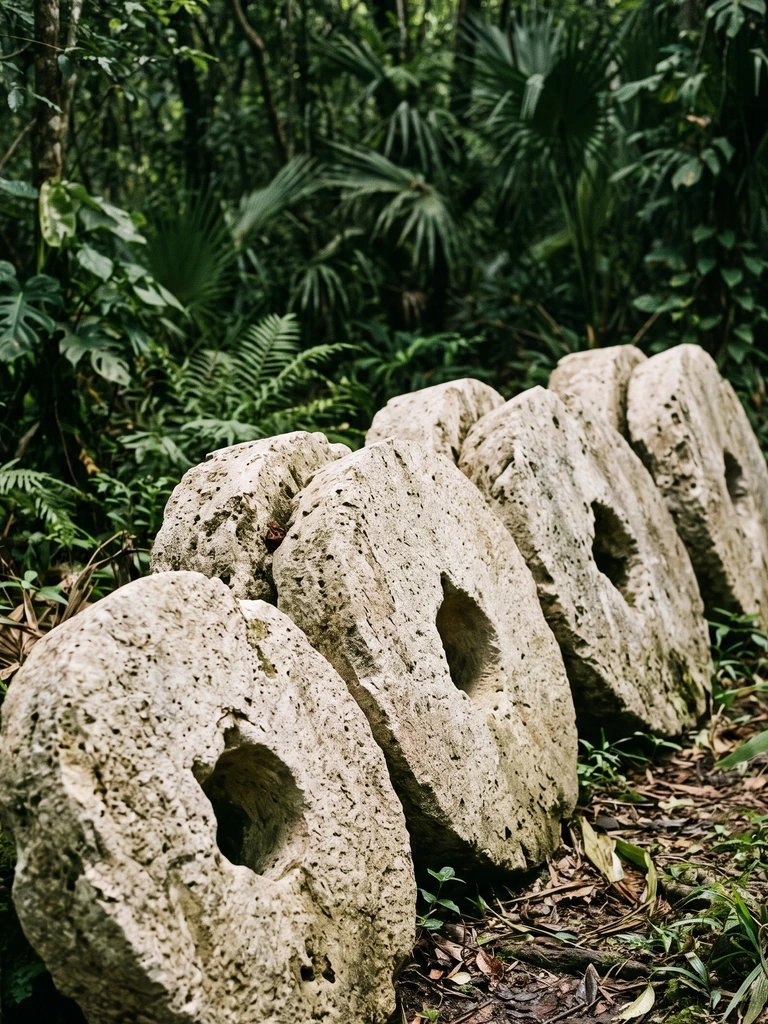
On the island of Yap, in the Pacific, money took the form of enormous limestone discs with a hole in the center. Some measured several meters across and weighed tons.
The fascinating part is that they almost never moved. When a stone changed owners there was no need to transport it: it was enough for the community to know and accept that it now belonged to someone else. Wealth was kept in the collective memory, not in a safe. It is even said that a stone sunk in the sea still served as money, because everyone knew whose it was.
Those stones teach something profound about money: what matters is not so much the object as the shared agreement that it has value.
Source: Smithsonian Magazine