 Margen
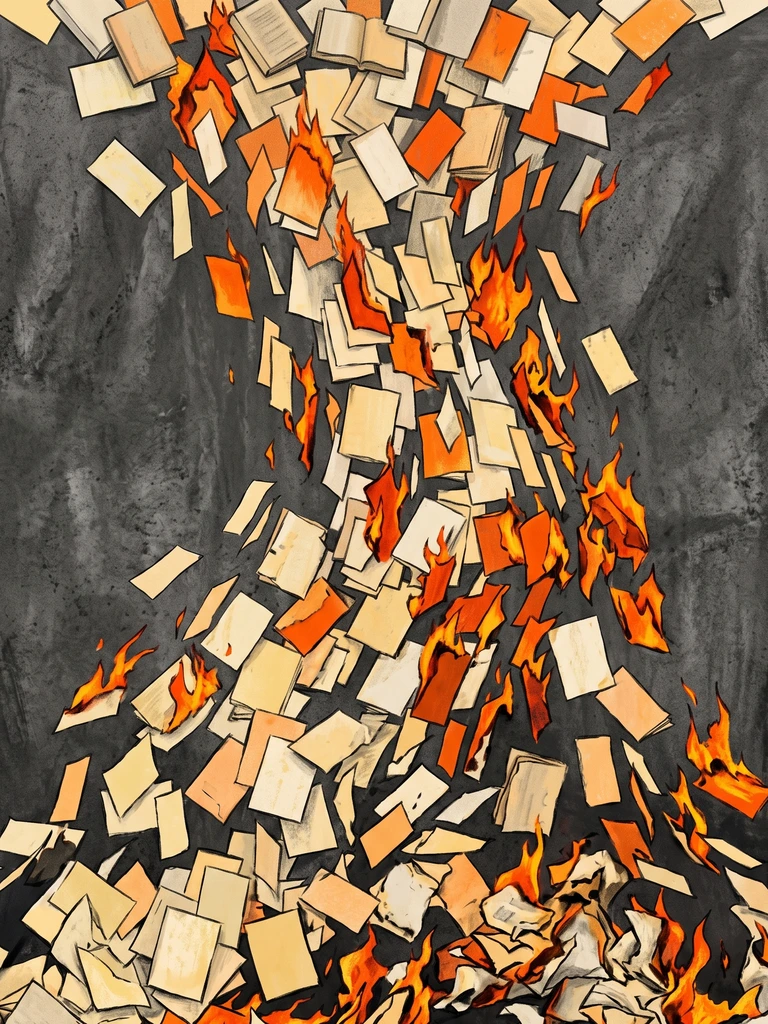
In Germany in 1923, money melted away in people's hands. Prices rose so quickly that a banknote was worth far more in the morning than in the afternoon.
It was one of the most famous hyperinflations in history. People collected their wages and rushed to spend them before they lost value; it took wheelbarrows full of banknotes to buy bread. It is said that some used wads of money as fuel or as wallpaper, because the paper was worth more than the figures printed on it. By late 1923, a single dollar came to be exchanged for trillions of marks.
The crisis was only halted with a new currency and a brutal reform. That trauma marked Germany for generations.
Source: Deutsche Bundesbank