 Margen
Did you know? · From the Margen catalogue
Two countries arrived at Berlin 1936 with the same flag
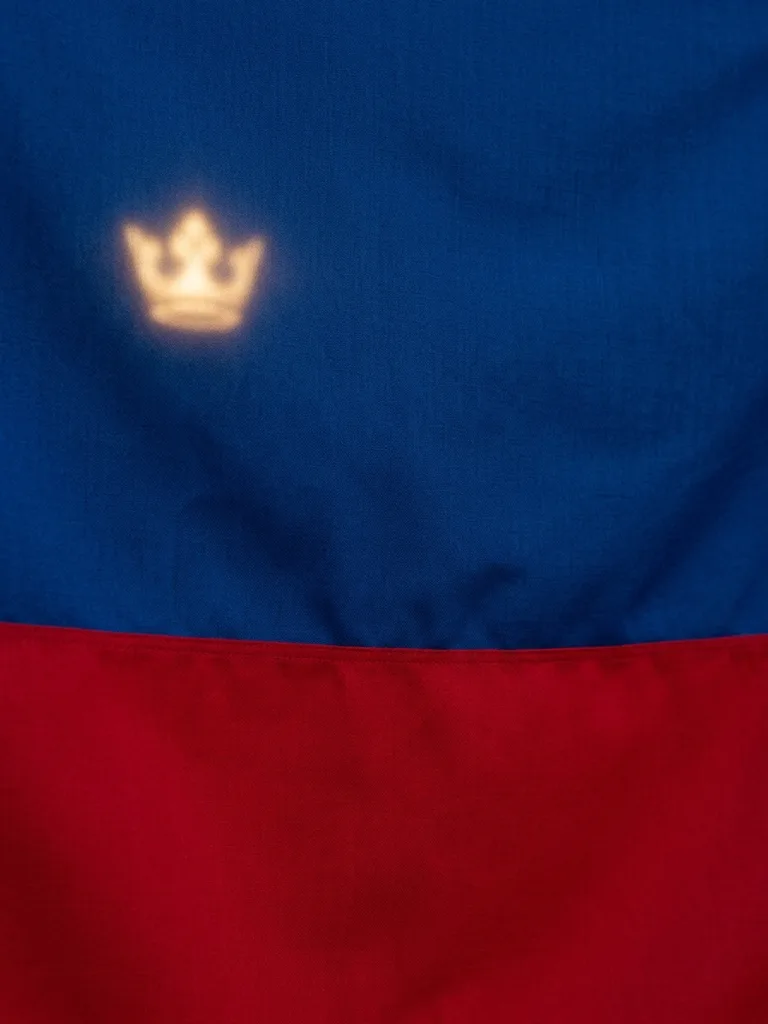
August 1936, Berlin. In the opening parade of the Olympic Games, two small delegations march in with identical flags: two horizontal stripes, blue on top, red below. One is Haiti, the Caribbean republic. The other is Liechtenstein, an Alpine principality of 160 square kilometres. Their capitals lie more than 7,500 kilometres apart, and no international registry existed back then to warn of such clashes: each country had designed its flag on its own, a century apart, and nobody noticed until they marched in together. Liechtenstein reacted first: on 24 June 1937 it added a golden crown to its flag, next to the hoist, so the scene would never repeat itself. Haiti left its flag alone: its official state version was already set apart by the coat of arms at the centre. The crown is still there today, set in the blue: a reminder of the afternoon when two countries discovered they were twins.