 Margen
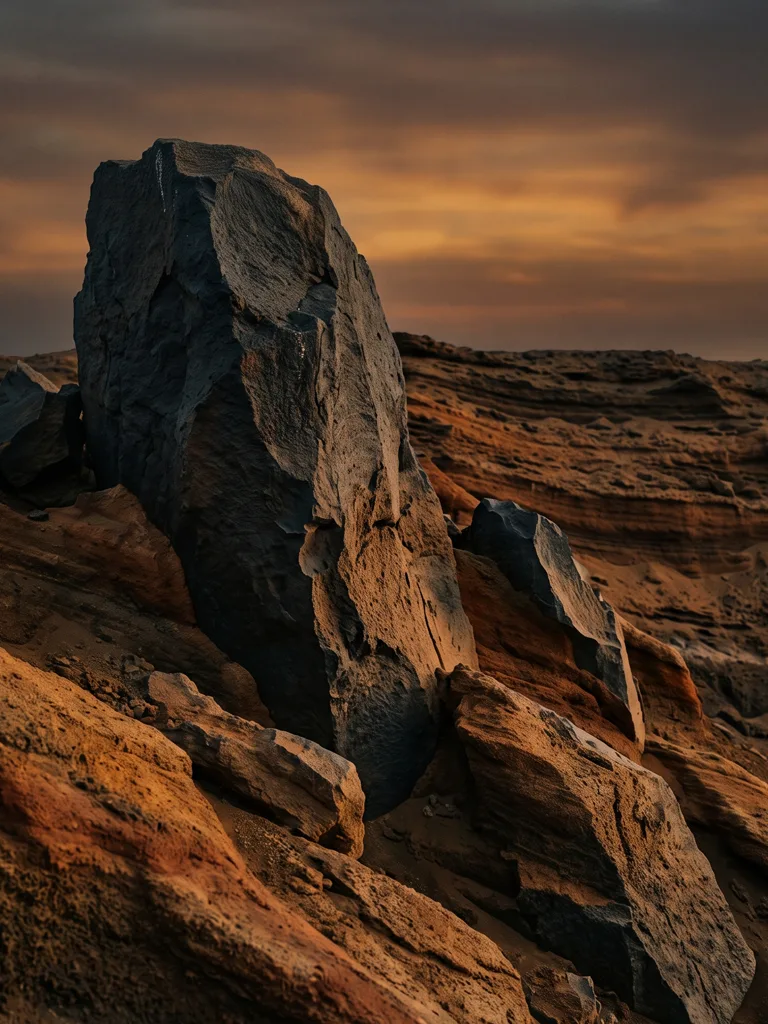
The most famous statues of Rapa Nui — those solemn heads studding the slopes of the Rano Raraku volcano — have been keeping a secret for centuries: they don't end at the neck. When archaeologists from the Easter Island Statue Project excavated around several of them, they found shoulders, torsos up to seven metres tall, arms held close to the body and slender hands carved across the belly. Even petroglyphs etched into their backs, unseen for generations.
Nobody buried them on purpose. They were carved right there in the quarry, and over hundreds of years erosion dragged soil down the hillside until it covered them almost to the chin. What looked like a head was the tip of a giant.
Which is why, for decades, half the world believed the moai were busts. The island, meanwhile, held its complete colossi underground, waiting for someone to ask the simplest question: what if there's more?