 Margen
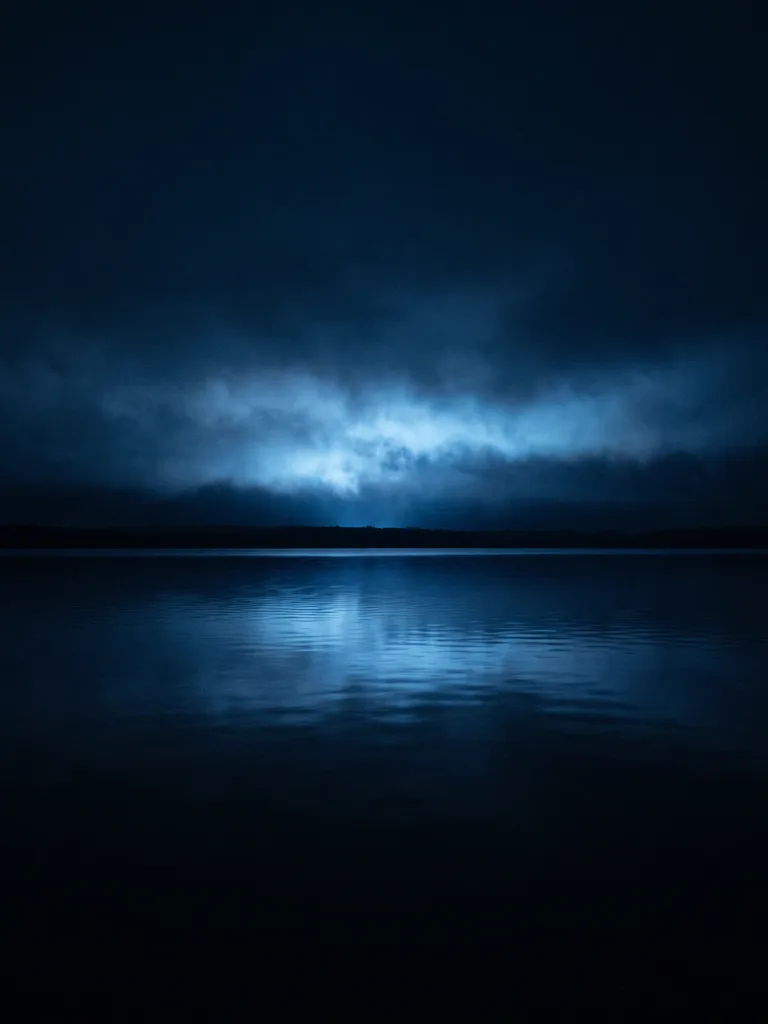
Where the Catatumbo River flows into Lake Maracaibo, in Venezuela, something happens that happens nowhere else on Earth: the storm comes back almost every night, always to the same spot.
The Catatumbo lightning appears between 140 and 160 nights a year. Once it gets going, it can last nine or ten hours straight, with flashes chaining together at close to thirty per minute at the peaks. Most of them leap from cloud to cloud, so there is barely any thunder: an almost silent storm, a constant electric flicker on the horizon.
The glow can be seen from dozens of kilometres away, and for centuries it served as a natural lighthouse for Caribbean sailors, who called it the Lantern of Maracaibo. Legend has it that more than one night attack on the city failed because the lightning gave away the enemy ships.
The exact recipe is still being debated: warm Caribbean winds funnelled between mountains, moisture from the lake, cold air rolling down from the Andes. In 2014, Guinness World Records certified it as the place with the highest concentration of lightning on the planet. The world's most boring weather forecast: tomorrow, storm.