 Margen
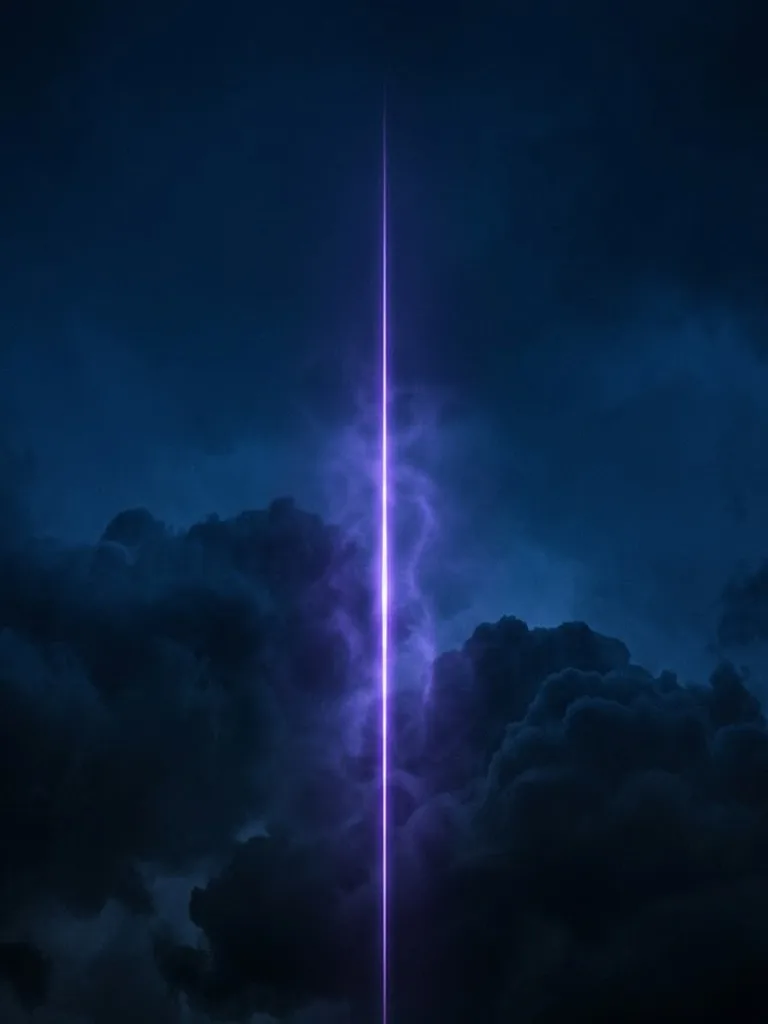
When lightning strikes, the electricity crosses the air through a surprisingly narrow channel: two or three centimetres, thinner than a thumb. For a few milliseconds, that thread of plasma reaches around 30,000 degrees — roughly five times the temperature of the Sun's surface, which sits at about 5,500.
Air is not built for that. It heats up so fast it has no time to expand gracefully: it explodes. That shockwave is thunder. It isn't a sound that accompanies lightning; it's the crack of air bursting in its wake.
So why doesn't it set fire to everything it touches? Because it's in a hurry. The flash is so brief that the heat barely has time to transfer. That's why a struck tree can split apart (its sap boils and bursts) while the forest around it never notices.
Next time you count the seconds between flash and thunder, remember what you're measuring: how far away the air has just been, for an instant, hotter than the face of the Sun.