 Margen
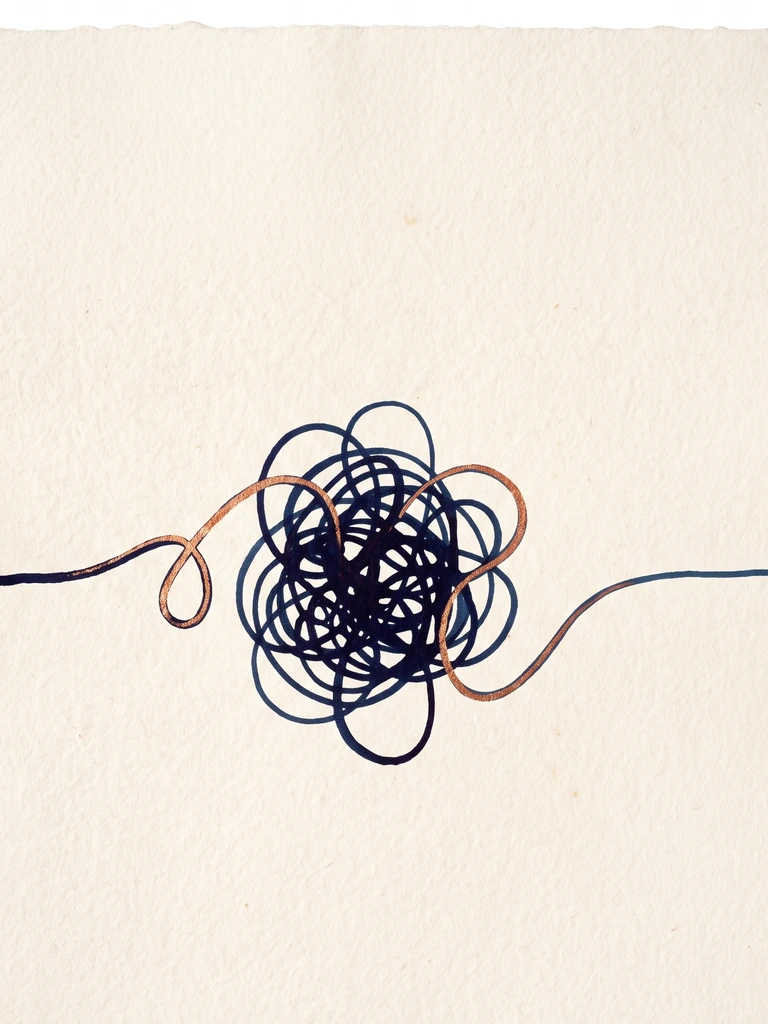
Keeping a journal is getting thoughts out of your head to look them in the eye. Inside the skull, a problem spins in a loop; on paper, it has a beginning, an end and, often, a far more reasonable size than it seemed.
It's not just a hunch. Since the eighties, the psychologist James W. Pennebaker has studied what's called expressive writing: in his experiments, writing for fifteen or twenty minutes about difficult experiences, over three or four days in a row, improved participants' health and well-being indicators, from doctor visits to mood.
You don't need talent or perfect consistency. Three lines at night will do, or a page in the morning, or a single question: what's weighing on me today? Paper is the only listener that lets you finish all your sentences.
Source: research by James W. Pennebaker, University of Texas at Austin