 Margen
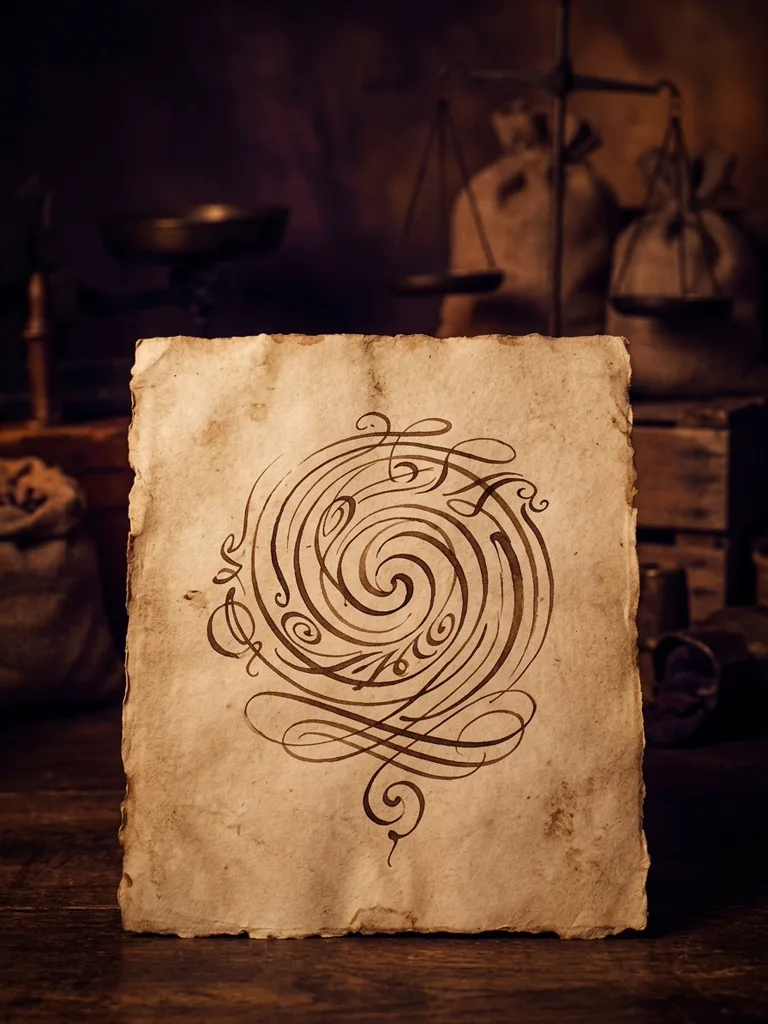
Before it moved into your email address, the arroba — as the @ is still called in Spanish — spent centuries among sacks and barrels. It was a trade unit of measure: in Castile, one arroba was twenty-five pounds, a quarter of a quintal, about eleven and a half kilos. The word comes from the Arabic ar-rub, 'the quarter', and scribes abbreviated it as an a wrapped in its own tail: @.
That squiggle recorded arrobas of oil, wine and flour in ledgers across half the Mediterranean. A merchant's letter from 1536, sent from Seville to Rome, survives with the symbol quantifying the cargo of ships arrived from the Americas. And in parts of Latin America the arroba is still alive far from any screen: in Colombia, coffee is still bought by arrobas of twelve and a half kilos.
In 1971, engineer Ray Tomlinson needed a character to separate a person's name from their machine's name in the first email between computers. He picked the @ precisely because almost nobody used it: it sat on the keyboard, appeared in no one's name, and read naturally as 'at'. A dusty, half-forgotten warehouse mark became the most-typed symbol on the planet.