 Margen
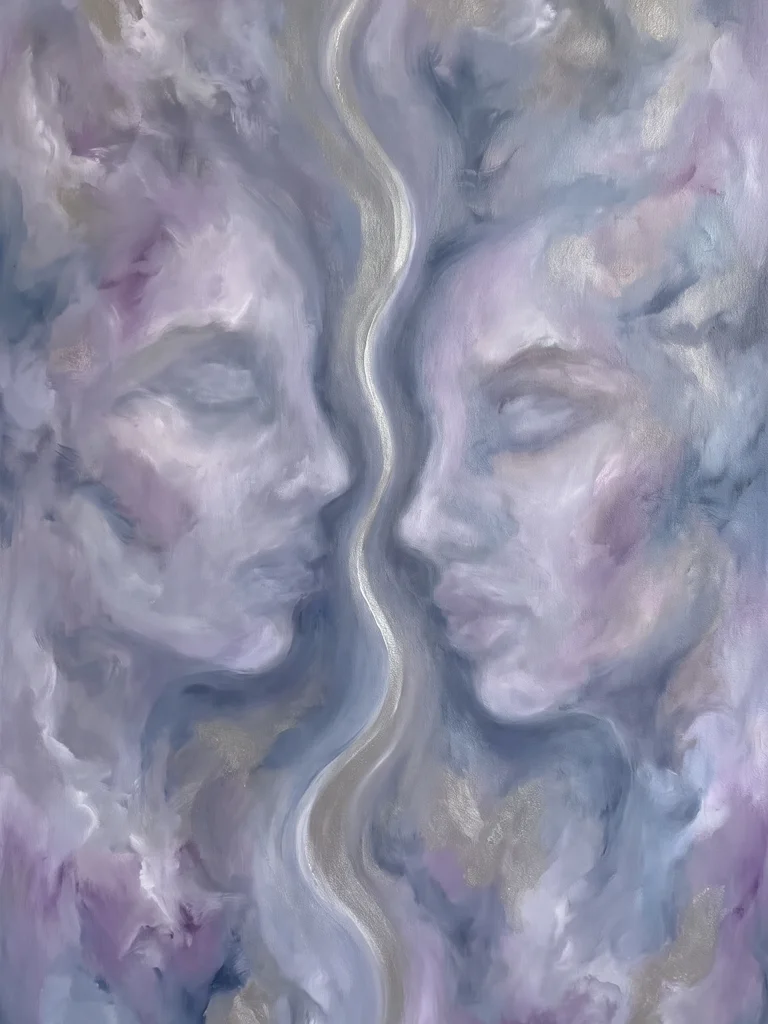
In 1977, three psychologists showed women two photos of themselves: the normal print and a reversed one, as seen in a mirror. Most preferred the mirror version. Their friends and partners preferred the true photo.
The explanation is the mere exposure effect: the more you see something, the more you like it, no other reason required. You've watched yourself in mirrors for thousands of hours; everyone else sees you the right way round. Each side prefers the version it has seen most.
Robert Zajonc demonstrated it in the sixties with made-up words and Chinese characters: the ones shown more often were rated more likeable, even though they meant nothing.
So that's why your photos look "bad": they aren't. They simply show you the stranger everyone else sees. And they happen to like that stranger more than you do.