 Margen
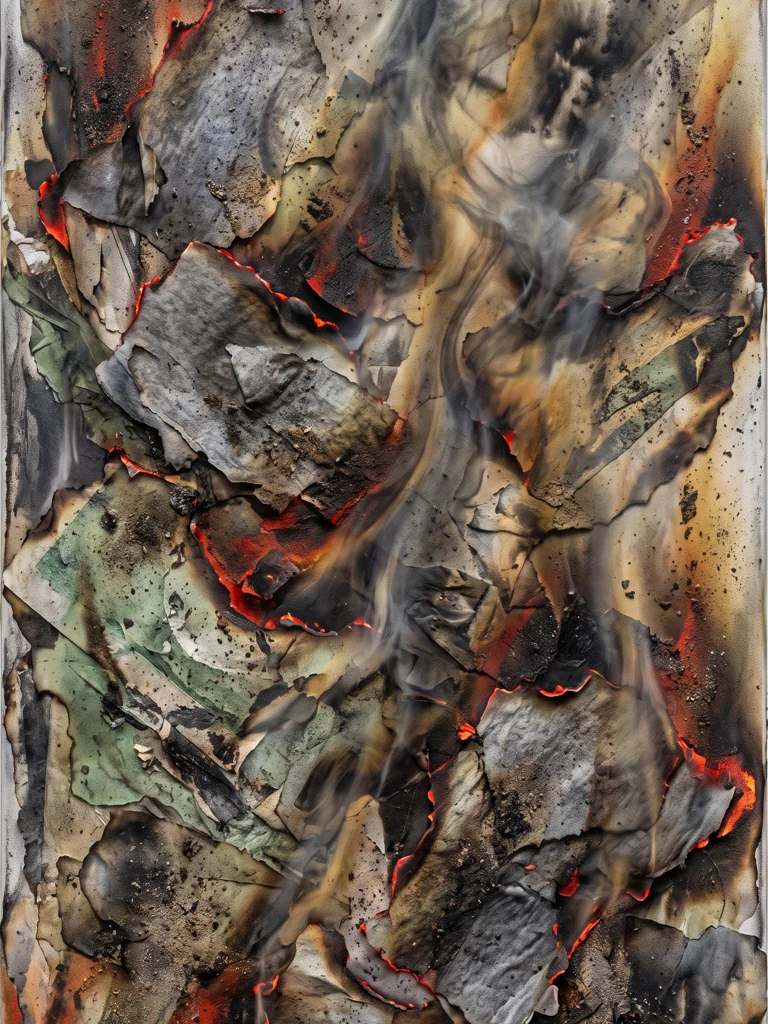
In 1914, a dollar cost 4.2 German marks. By November 1923, it cost 4.2 trillion. In between, Germany lost a war, printed money to cover its debts and reparations, and slid into the most famous hyperinflation in history: at its worst, prices doubled every few days.
Daily life turned surreal. Wages were paid twice a day so workers could spend them before they lost their value. A loaf of bread came to cost around 200 billion marks. Banknotes were used to paper walls and light stoves, because burning money was cheaper than buying firewood. Children played with bundles of cash like building blocks.
What fixed it, in a matter of weeks, was essentially a confidence trick: the Rentenmark, a new currency backed by land. One Rentenmark was worth a trillion old marks. People decided to believe in it — and it worked.