 Margen
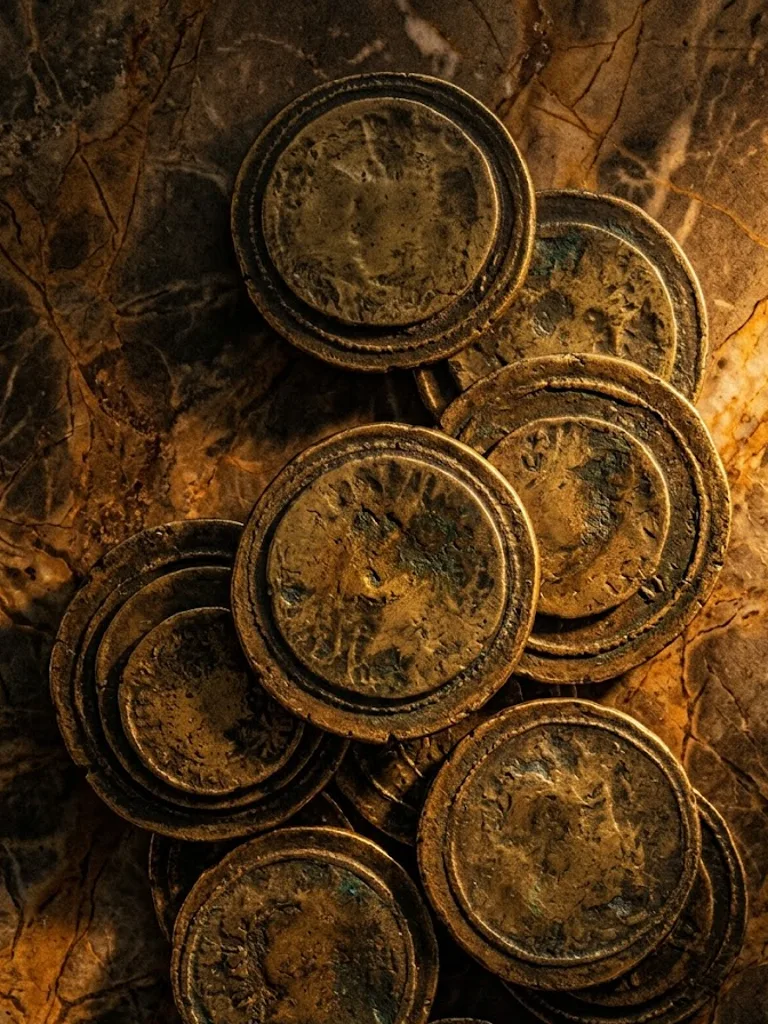
In first-century Rome, urine was a raw material. Fullers collected it from public urinals because its ammonia degreased wool and whitened togas; tanners used it to treat leather. The trade moved so much money that Emperor Vespasian, chronically short of funds after years of civil war, decided to tax its collection.
His son Titus objected: charging for urine seemed beneath an emperor's dignity. According to Suetonius, Vespasian held a coin from the first payment up to his son's nose and asked whether it smelled. Titus admitted it didn't. "And yet it comes from urine," he replied. The line became a proverb: pecunia non olet. Money doesn't smell.
The anecdote outlived the tax itself: almost two thousand years later, the public urinals of Paris were called vespasiennes, and in Italy some people still call them vespasiani. Not bad for a tax — few leave behind both a proverb and a piece of street furniture bearing their name.