 Margen
Did you know? · From the Margen catalogue
The official kilo wasn't allowed to lose weight
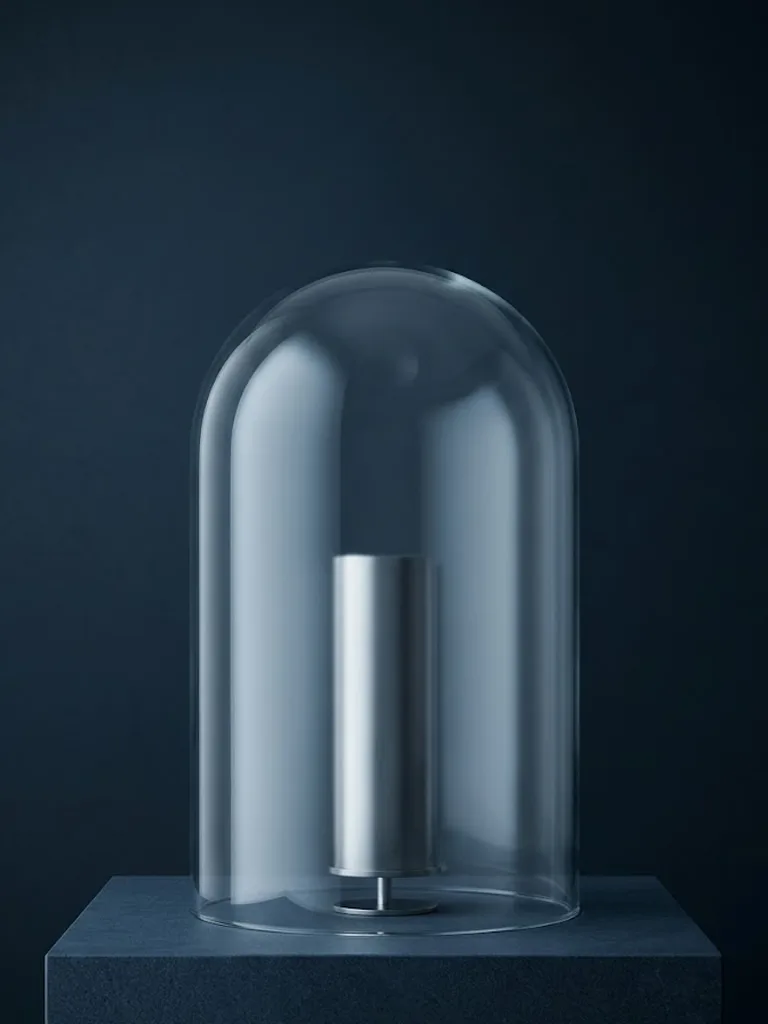
From 1889 on, the kilogram wasn't an idea: it was an object. A platinum-iridium cylinder the size of a plum, kept near Paris under three glass bell jars, in a vault that took three different keys to open. Metrologists called it Le Grand K. A kilo was, exactly, whatever that thing weighed.
The trouble came when it was compared with its official copies, cast from the same ingot: over the decades their masses had drifted apart by some 50 millionths of a gram — the weight of a fingerprint. Was the standard slimming down, or were the copies putting on weight? Impossible to know, because nothing more exact existed to measure them against. And here is the lovely twist: whatever happened, Le Grand K still weighed exactly one kilo, because a kilo was him. If it shed atoms, it was the rest of the universe that got a little heavier.
In 2019, scientists retired the cylinder and tied the kilogram to a constant of nature, Planck's, which doesn't scratch, doesn't tarnish and needs no keys. Le Grand K is still in its vault. Now, at last, it can weigh whatever it likes.