 Margen
Did you know? · From the Margen catalogue
In 897 a pope put another pope’s corpse on trial
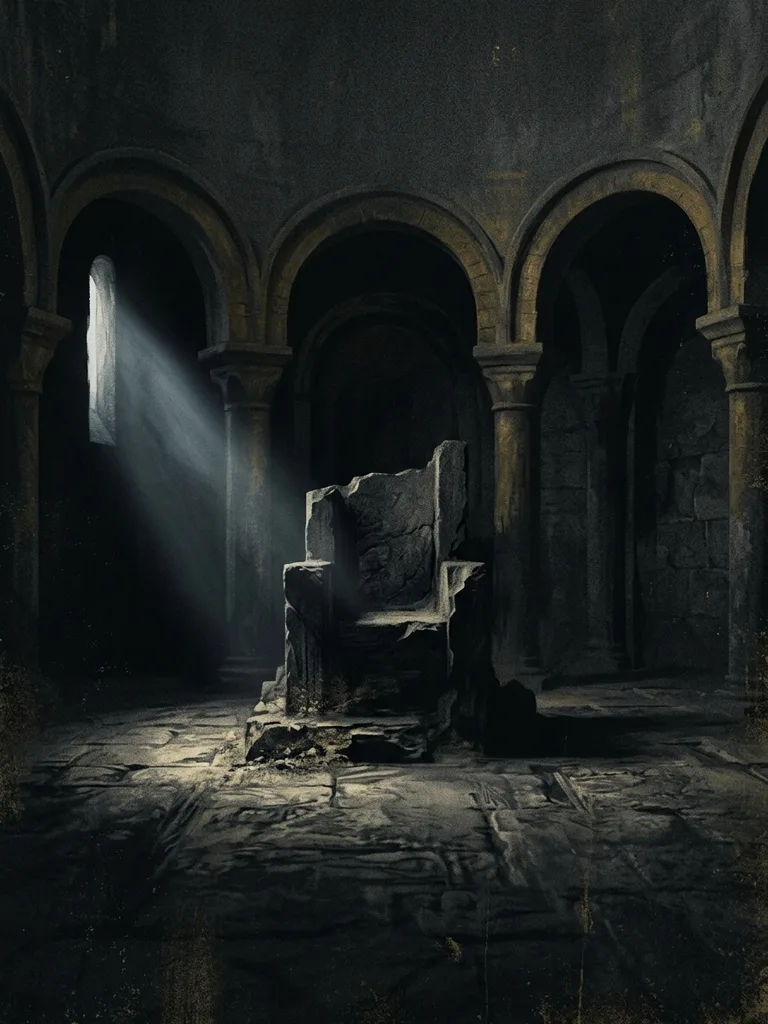
Rome, January 897. Pope Stephen VI ordered the tomb of Formosus, his predecessor, dead nine months earlier, to be opened, and the body carried to the Lateran basilica, the cathedral of the popes. They dressed it in ceremonial robes, sat it on a throne and opened a trial against it with every legal formality. Behind the seat they placed a young deacon, a cleric of minor rank, to answer in his name.
The charge was legal, not spiritual: Formosus had been bishop of Porto before becoming pope, and the law of the time forbade moving from one episcopal see to another. The court found him guilty. It annulled every ordination he had performed, which stripped dozens of bishops and priests of their office. Then they cut off the three fingers of his right hand with which a pope blesses, and threw the body into the Tiber, the river that crosses Rome.
A monk picked it up on the bank downstream and hid it.
The episode is known as the cadaver synod, and it cost the judge his job: that same summer a Roman revolt deposed Stephen VI, jailed him and strangled him in prison. His successor Theodore II returned Formosus to his grave with the honours of a pope, and a later synod annulled the sentence and expressly banned putting a dead man on trial.
Less than two years passed between the exhumation and that annulment. In that time Rome had four popes: Stephen VI, Romanus, Theodore II and John IX.