 Margen
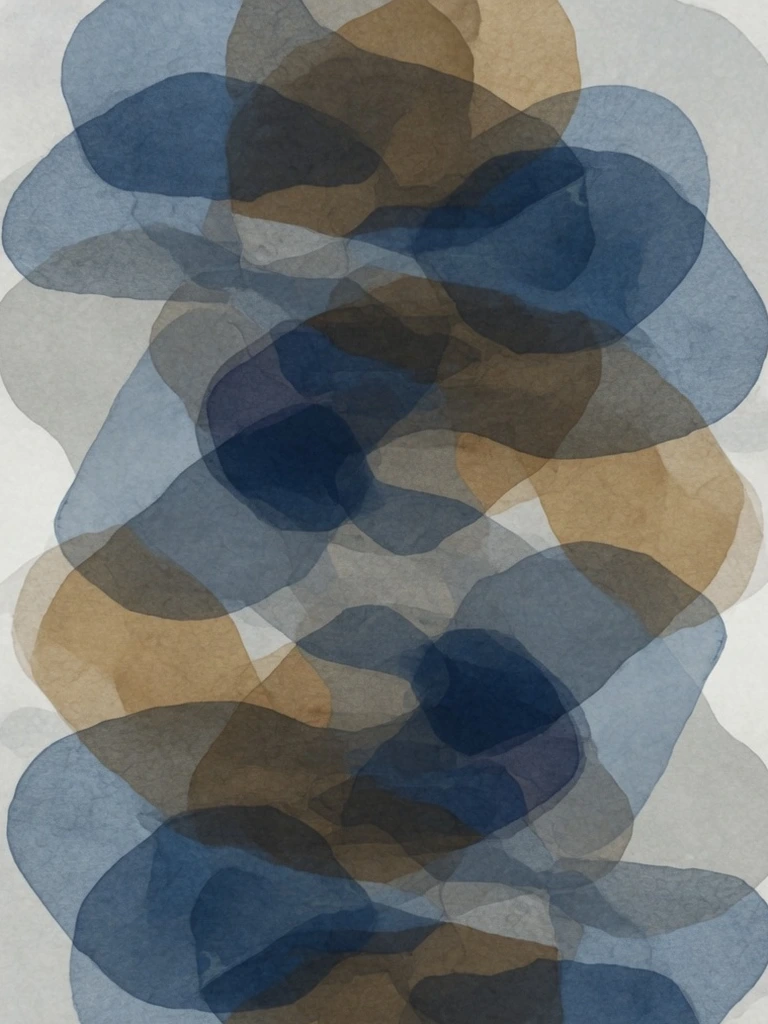
Each time you remember something, you don't open an intact file: you rebuild it from scratch. And in doing so you can alter it without noticing.
Neuroscience has documented that recalling a memory makes it momentarily fragile and pliable before it's stored again. In that process, called reconsolidation, the memory can be contaminated by what you feel now, by invented details, or by what others tell you.
That's why the memories you replay most aren't always the most faithful, but sometimes the most distorted: the more often you relive them, the more chances they have to change. Your memory isn't a warehouse, but a story you rewrite every time you open it.
Source: Nature Neuroscience