 Margen
Did you know? · From the Margen catalogue
Why you forget what you came for by the time you reach the kitchen
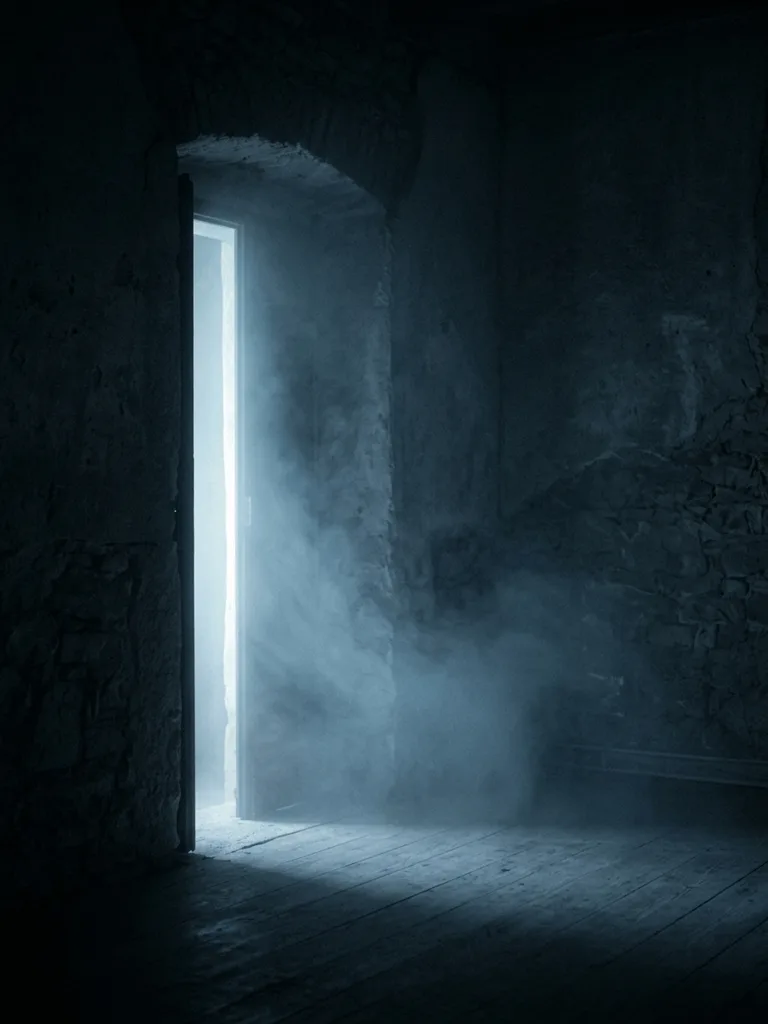
You head to the bedroom to get something, you arrive… and you no longer know what for. Psychology calls it the «doorway effect», and it isn't a glitch: it's your brain tidying up.
In 2011, psychologist Gabriel Radvansky measured it at the University of Notre Dame. Participants carried objects from one table to another, sometimes within the same room and sometimes through a doorway, covering the same distance. The result: crossing the threshold made them far more likely to forget what they were carrying. It happened in virtual environments and in real rooms alike.
The explanation: working memory doesn't store a continuous video but episodes. Every doorway acts like the end of a scene; when you cross it, the brain files away the previous room to make space for the new one. The odd part is that going back doesn't always bring it back: the scene is already closed.
The trick that does work is delightfully low-tech: repeat the errand to yourself as you walk («scissors, scissors»), or spell it out before you get off the couch. Don't ask your memory for continuity between rooms — it wasn't built for that.