 Margen
Did you know? · From the Margen catalogue
A temple of Ramesses rose 65 metres in 1,036 pieces
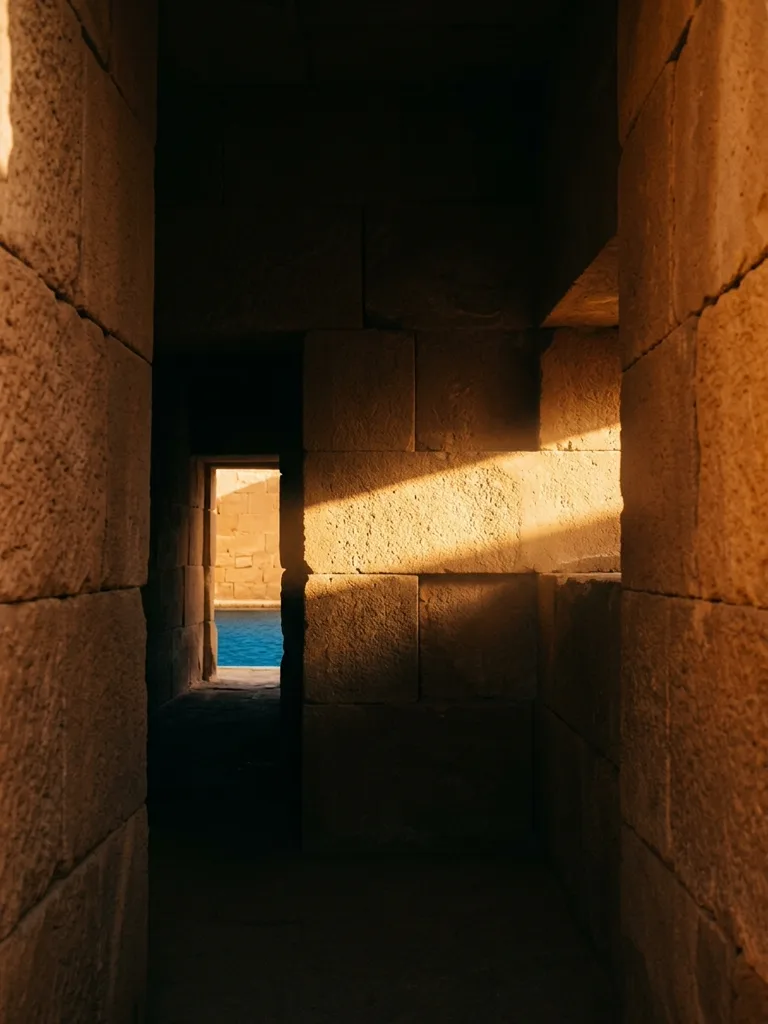
In 1959 Egypt began the Aswan Dam, and Lake Nasser, the reservoir that would rise behind it, condemned the two temples that the pharaoh Ramesses II had cut into the rock of Abu Simbel around 1264 BC. UNESCO, the UN's cultural agency, brought together some fifty countries and, between 1964 and 1968, an international team sawed the temples into 1,036 blocks weighing twenty to thirty tonnes each and raised them 65 metres. They cut them with hand saws: the powered ones ate a finger's width of stone with every pass.
Every block came out numbered. Besides lifting them, they moved them 200 metres inland and reassembled them on an artificial concrete hill, hollow inside, built to imitate the cliff they had lost. Part of the cliff itself was also cut and repositioned, another thousand blocks of sandstone without a single carved figure, so that the background of the landscape would still fit. The joints were hidden in the cracks of the sculpture. And the angle of the whole thing was calculated with one very specific obsession: twice a year the sun comes through the door, travels sixty metres down the corridor and lights up the seated statues in the innermost chamber, and that had to keep happening.
The job cost around 40 million dollars of the day, half of it put up by foreign governments, and it finished on time: the water rose behind them exactly as predicted and the original site ended up underneath. It came out almost perfect. Before the move, the sun reached the far wall on 21 February and 21 October. Since 1968 it arrives on the 22nd.