 Margen
Did you know? · From the Margen catalogue
Somerton: 74 years nameless and a Persian note
In 2022, a geneticist at the University of Adelaide, Colleen Fitzpatrick, uploaded to the genealogy site GEDmatch the profiles obtained from a lock of the corpse's hair. On the third day a name came up: Carl Charles Webb, an electrical engineer from Melbourne, born in 1905, missing since 1947, secretly married to a woman called Dorothy Robertson.
In 2013, the South Australian police had exhumed the body to extract mitochondrial DNA: the finest lead read in the frontal bone, and nuclear DNA was no longer usable. The Webb family, contacted through Facebook, agreed to the match.
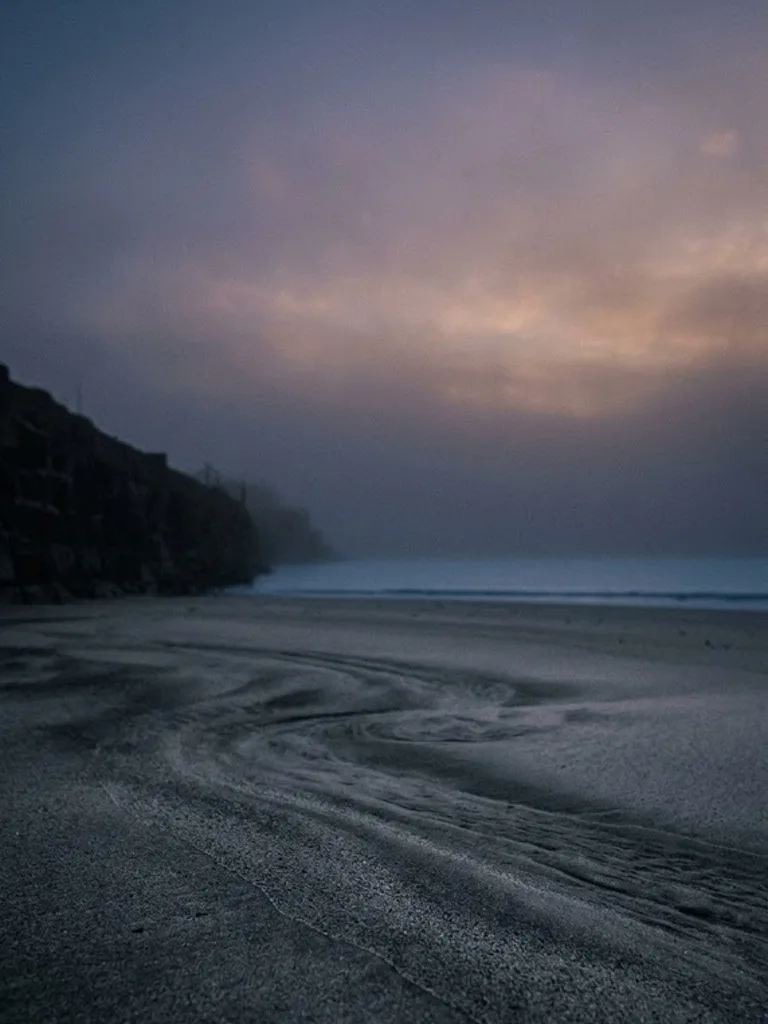
In 1948, on 1 December, two brothers had found a well-dressed man, no wallet, leaning against a seawall on Somerton beach in Adelaide. He wore a coat, a waistcoat and polished shoes; every label had been cut away. In the tiny fob pocket of his trousers, folded many times, he carried a scrap of paper with two words in Persian: «Tamám Shud», meaning «it is ended», the last verse of Omar Khayyam's Rubaiyat. The autopsy found no clear cause and provisionally listed «heart failure».
In a library in nearby Glenelg, the copy of the Rubaiyat missing exactly that page turned up. Someone had left it on the back seat of a dentist's car, without a note. On its inside back cover, penciled and barely legible, a phone number led to Jessica Thomson, a nurse at North Adelaide hospital, who lived by the beach. She never said whether she knew the dead man; she died in 2007 without opening her mouth about it.
Until 2022, no fingerprint, no dentist and no consulate matched the name. Today, in West Terrace cemetery, the gravestone no longer says «unknown».