 Margen
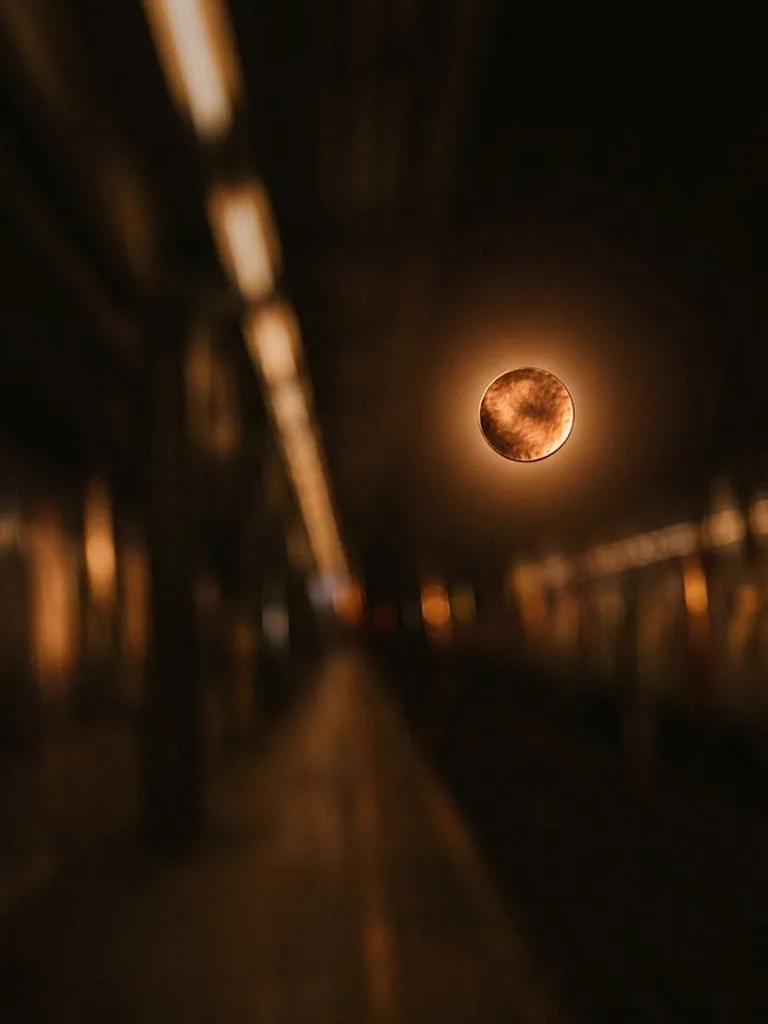
The coffee machine on platform B has charged him one euro ten for years, and for years he has paid with exact coins. On Tuesday all he had was a five. The machine chewed through its usual hum, spat out the coffee and, for the first time, his change: a small handful of warm coins.
He noticed it on the train, sorting the change in his palm: a two-euro coin, bright as if fresh from the mint, perfect in every way except the year stamped beside the star. 2031.
Since then he always pays with a note. He keeps six impossible coins now in a jam jar: 2031, 2033, two from 2034, 2047. He shows them to no one; he looks at them in the dark, the way you count contraband.
The last one is from 2061 and it's different: worn, smooth, darkened, polished by thousands of hands. It's the only one he doesn't like to touch. It isn't the distance it has travelled that unsettles him. It's how used it is: all that life the coin has already seen go by — the life that is still waiting for him.