 Margen
Did you know? · From the Margen catalogue
In Longyearbyen, no one has been buried since 1950
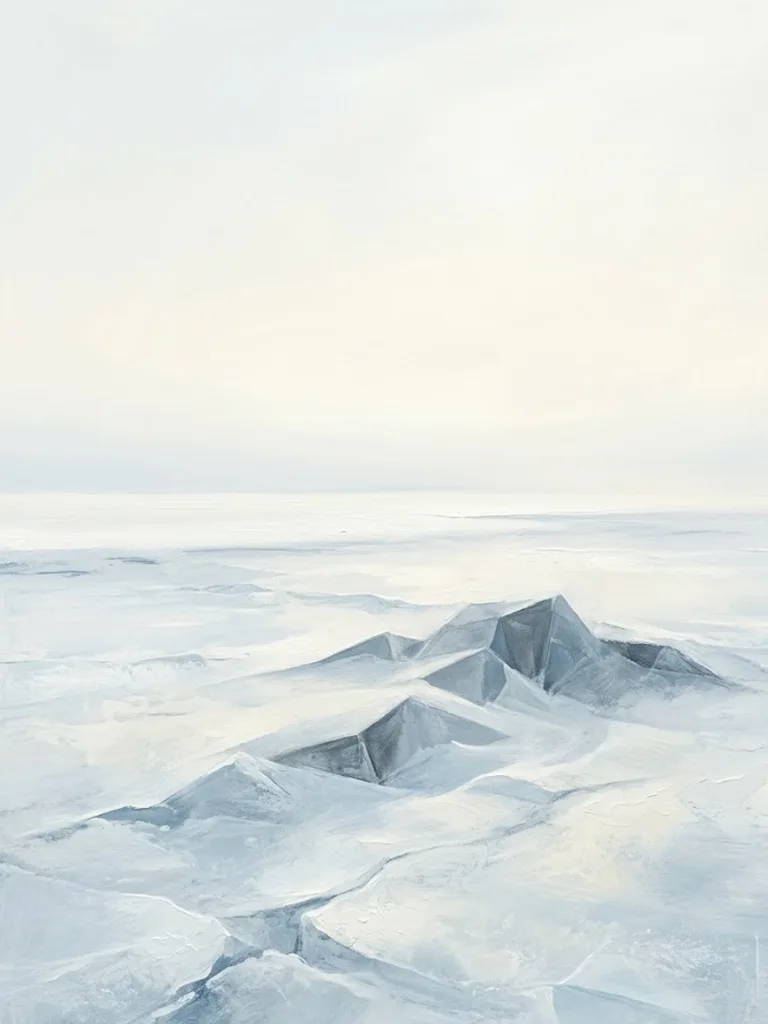
In 2026, when a resident of Longyearbyen dies, the body flies 3,000 kilometres south to Tromsø, on the Norwegian mainland. That is the only authorised cemetery. Burial in the Svalbard archipelago, where they lived, is forbidden by law.
In 2015, the Lutheran church checked the graves of the small 1917 cemetery for the tenth time. The coffins were still rising a few centimetres each year, pushed up by the ice. The official conclusion repeated what everyone already knew. Here the ground does not swallow the dead: it spits them out.
In 1998, a team from the University of Toronto was allowed to dig up six graves from the original cemetery. They were looking for DNA of the 1918 Spanish flu virus, trapped —they believed— in the bodies of seven miners who had died that week. They found intact lung tissue eighty years later. The ice keeps everything.
In 1950, the whole town (700 people at the time) signed the order. The reason fits into one technical sentence: permafrost, the layer of soil that never thaws, drags upward anything buried in it. Year after year. A coffin takes two centuries to surface, but it surfaces.
Longyearbyen was founded in 1906. An American businessman, John Munroe Longyear, opened a coal mine where there were only 2,000 polar bears and non-stop sunlight from May to August. A century later, its 1,200 residents still bury their dead on another coast. And they wait, without wanting to, to find out what those seven miners were carrying in 1918.