 Margen
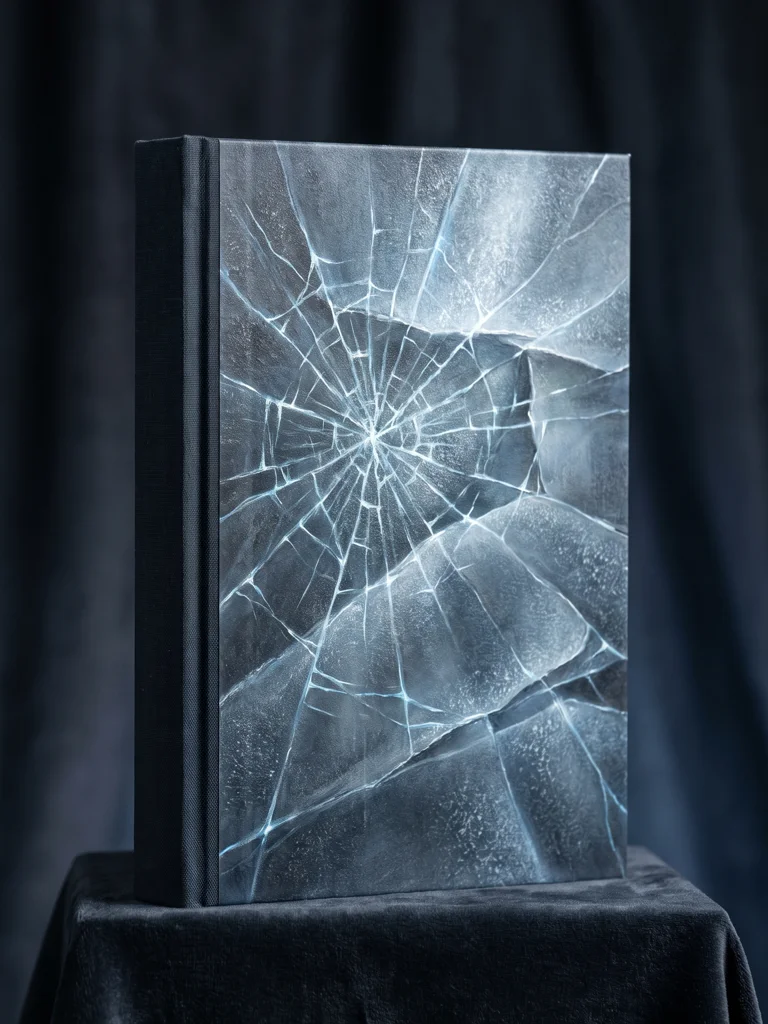
In 1903, the French chemist Édouard Bénédictus knocked a glass flask off a laboratory shelf. Against all odds, it did not burst into a thousand pieces: it cracked, but held its shape. It had contained cellulose nitrate, and the dried film clinging to the walls was holding the fragments together.
Bénédictus had been reading news reports about car accidents in which shattering glass caused horrific injuries, and he connected the dots: glass with a plastic layer in the middle would break without cutting. He patented it in 1909 and called it Triplex.
Its first big job was not cars but the lenses of First World War gas masks. Then windscreens adopted it en masse. Every time a car window cracks into a spiderweb instead of a shower of blades, it is replaying that lucky fall of 1903.