 Margen
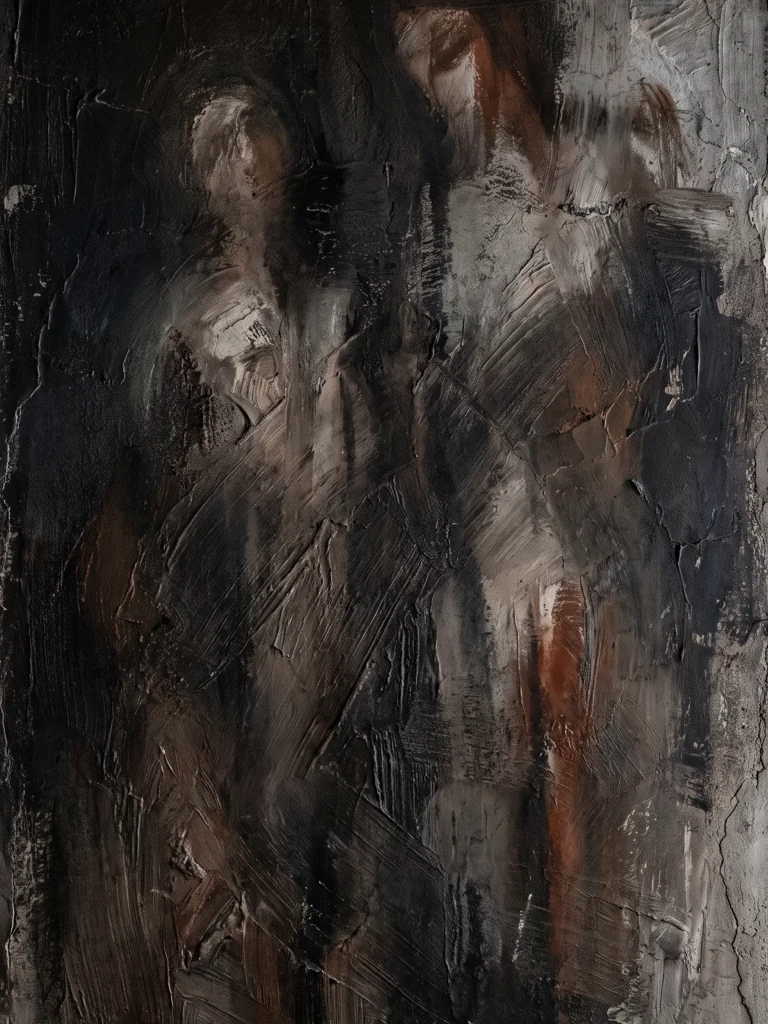
Around 1819, Goya bought a house on the outskirts of Madrid known as the Quinta del Sordo — the Deaf Man's Villa. The name came from the previous owner, but it fitted perfectly: an illness had left Goya completely deaf decades earlier.
There, old, sick and past caring, he did something no painter of his rank had done: he painted fourteen scenes directly onto the walls of his house — no commission, no titles, no audience. Witches' sabbaths, men clubbing each other, a god devouring his son. We now call them the Black Paintings, but he called them nothing at all: they were meant for no one.
Half a century after his death, a banker bought the house and had the paintings ripped from the walls and transferred to canvas. They ended up donated to the Prado.
What is displayed today as a summit of Spanish art was, quite literally, one man's privacy painted on his walls.