 Margen
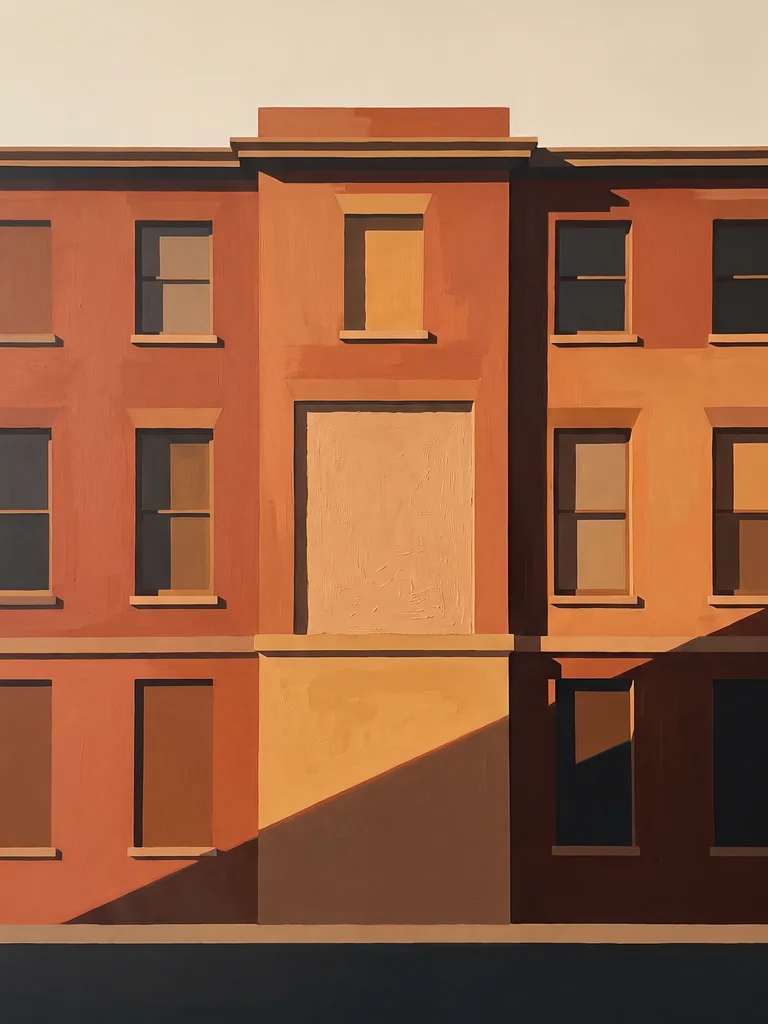
In 1696, the English crown needed money and wanted a way to tax wealth without entering people's homes to count their coins. The solution was ingenious: tax the windows. They could be counted from the street, and the more your house had, the richer you were assumed to be and the more you paid.
People's response was immediate and very human: brick them up. Owners all over the country blinded windows to drop into a lower band, and some builders put up houses with blind openings from the start, in case the tax went up. Scotland and France copied the idea, with identical results.
The country literally grew darker. Doctors protested for decades: in poor neighbourhoods, where landlords bricked up without asking, light and ventilation ran short, and reformers dubbed it "a tax on health". In 1851, after a long campaign, it was repealed.
The extraordinary part is that the bill is still on display. In Bath, in Edinburgh, across Georgian London, there are elegant façades with rectangles of brick where a pane of glass should be. It is no architect's whim: it is the shadow of a tax, written on the houses.