 Margen
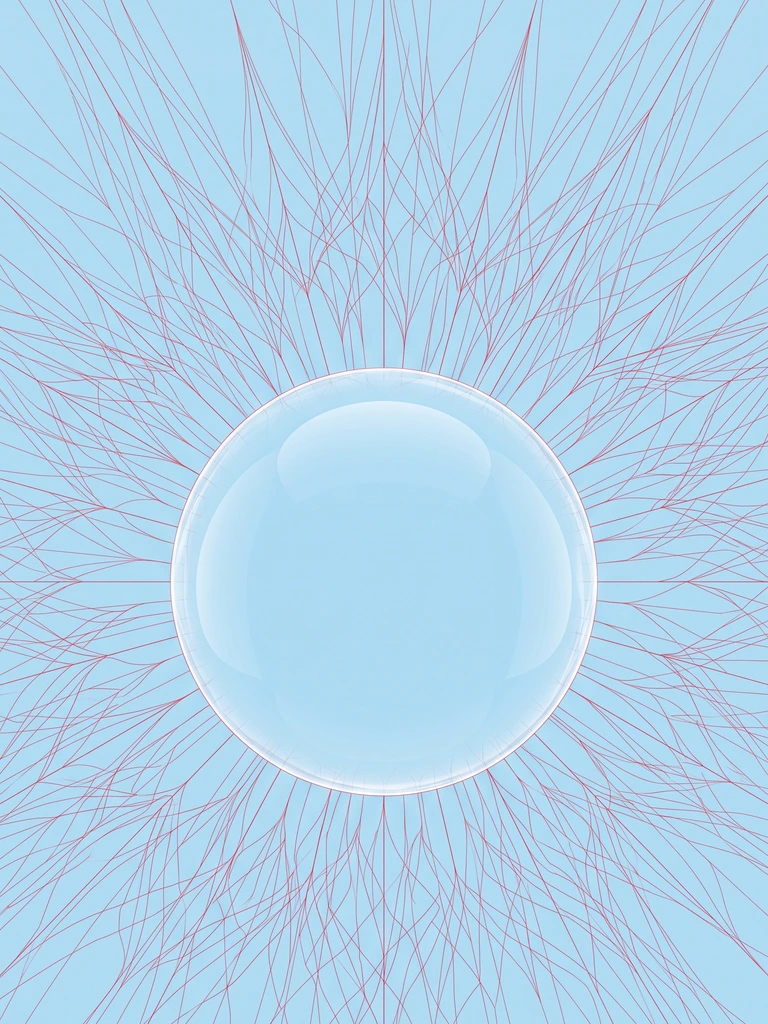
The cornea, that transparent dome at the front of the eye, is one of the few tissues in the body without a single blood vessel. And there's a good reason: if it had any, it wouldn't be transparent and you couldn't see clearly.
Since no oxygen reaches it through the blood, the cornea takes it straight from the air, dissolved in the thin film of tears that covers it. It breathes, so to speak, through its surface.
This is why wearing contact lenses for too many hours can be uncomfortable: if they cover the cornea for a long time, it struggles to get oxygen. A tissue that sees thanks, in part, to having given up blood.
Source: American Academy of Ophthalmology