 Margen
Did you know? · From the Margen catalogue
Marco Polo didn't bring pasta: the hoax dates from 1929
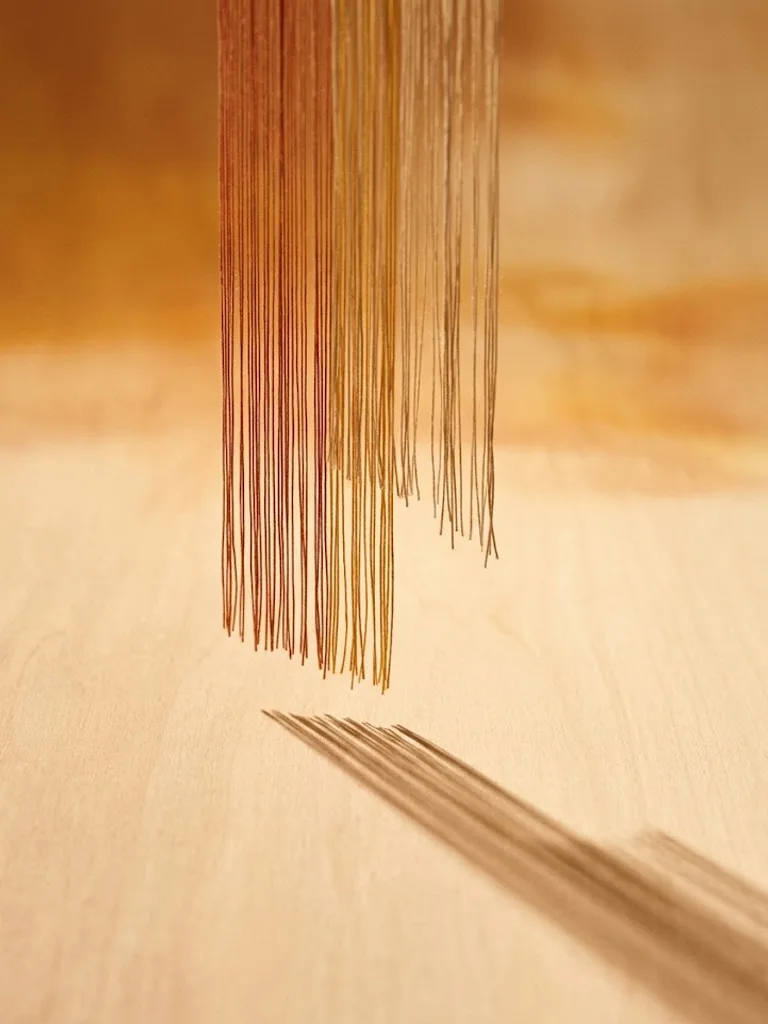
In 1154, the geographer al-Idrisi described for King Roger II of Sicily a coastal town called Trabia, next to Palermo, where itriyya —dried wheat noodles— was made in quantities large enough to load onto ships and sell all over Calabria and half the Mediterranean. Marco Polo, the Venetian merchant credited with bringing pasta back from China, was born a hundred years after that page was written and did not return to Venice until 1295. By the time he first set foot in Asia, Sicily had been exporting noodles by the sackful for a century.
The hoax has a date, an author and a commercial motive. In October 1929, an American pasta manufacturers' trade magazine, the Macaroni Journal, ran a story titled «A Saga of Cathay»: in it, a sailor from Polo's crew named Spaghetti came across some Chinese kneading long strips of flour. It was fiction written to sell macaroni in a country that still eyed it with suspicion. Nine years later a Hollywood film repeated the scene, and there was no stopping it after that.
There is one older piece of evidence, and a far duller one, which is what real evidence tends to be. In a Genoese notarial inventory dated 1279, among the possessions of a soldier named Ponzio Bastone, a clerk listed a basket full of macaroni and put a price on it. Polo was ten thousand kilometres away at the time, with sixteen years still to go before he got home.