 Margen
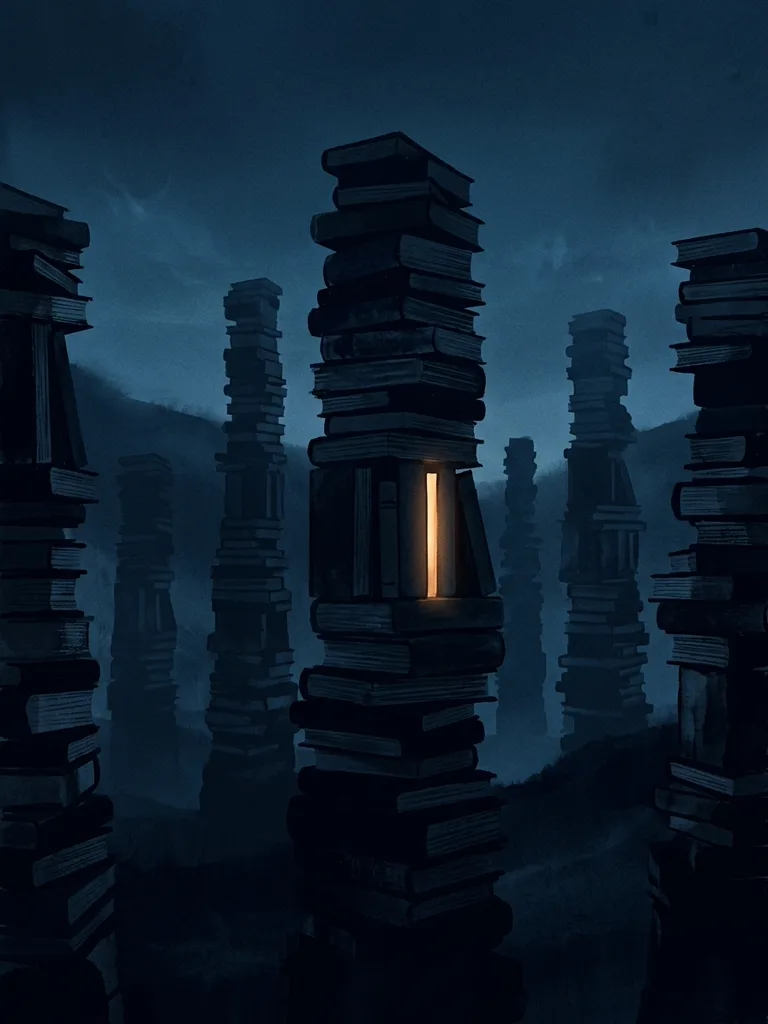
Umberto Eco gathered more than thirty thousand books. Visitors to his home fell into two camps: those who asked "how many have you read?" and those who understood that this was not the question. Eco wasn't collecting finished readings: he was maintaining a working tool. The essayist Nassim Taleb gave the idea a name: the antilibrary.
The logic goes like this: a book you've read has already given you almost everything it had. An unread one, by contrast, stands for exactly what you don't yet know. The more unread books you keep in sight, the more present the map of your own ignorance becomes — and that awareness is what keeps you curious and inoculates you against the arrogance of thinking you already know it all.
Japanese even has a word for buying books and letting them pile up: tsundoku. It isn't a vice; it's stocking up.
The practical takeaway: stop feeling guilty about the pile. It isn't a backlog of overdue tasks but a chosen horizon. Rename it — from "pending" to "possible" — and keep adding without fear. A bookshelf that's too big for you is a life that hasn't closed yet.