 Margen
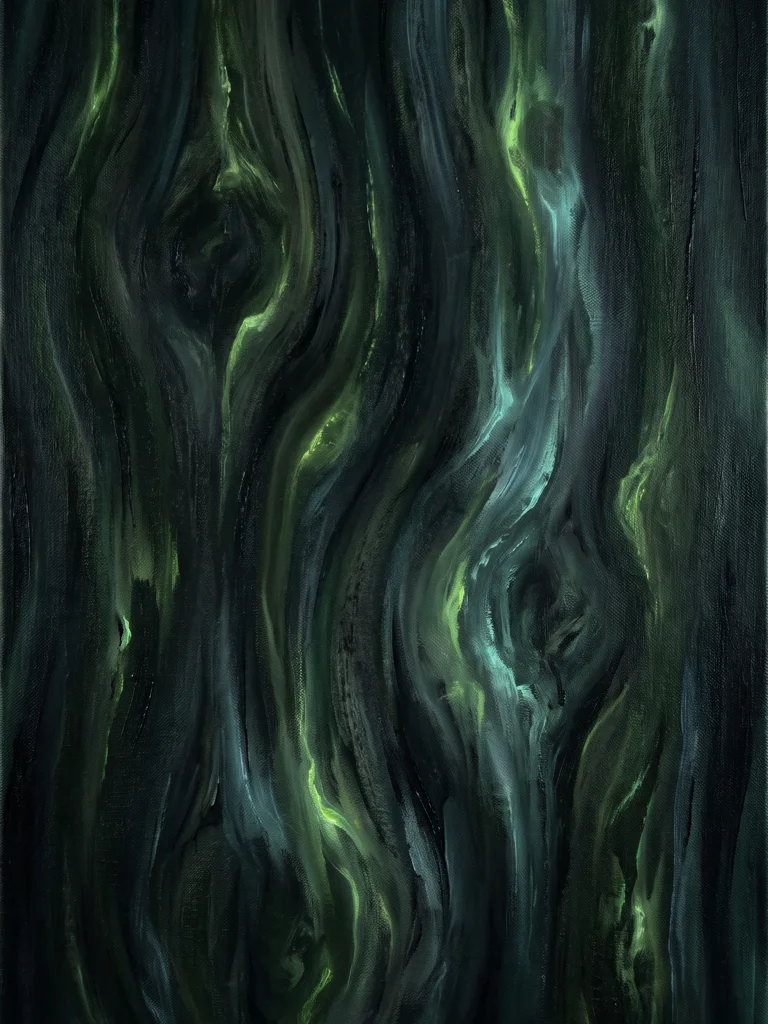
In some damp forests, at night, rotting wood glows with a faint green light. It's no trick: it's a real phenomenon sometimes called foxfire, and it's produced by the fungus breaking down the log.
Dozens of fungus species are known to emit their own light. They do it with a chemical reaction much like a firefly's: a molecule that, as it oxidises, releases energy as light. The glow is steady, it doesn't flicker, and it comes mostly from the mycelium and from some mushrooms.
Aristotle already described that cold light coming from dead wood without burning it. For centuries it was a small mystery of the forests.
Today we know why: the glow attracts insects that, without meaning to, carry the spores away on them. A fungus that switches on a lantern so others will scatter its offspring.