 Margen
Did you know? · From the Margen catalogue
Of the 9,000 stars you can see, almost all are still alive
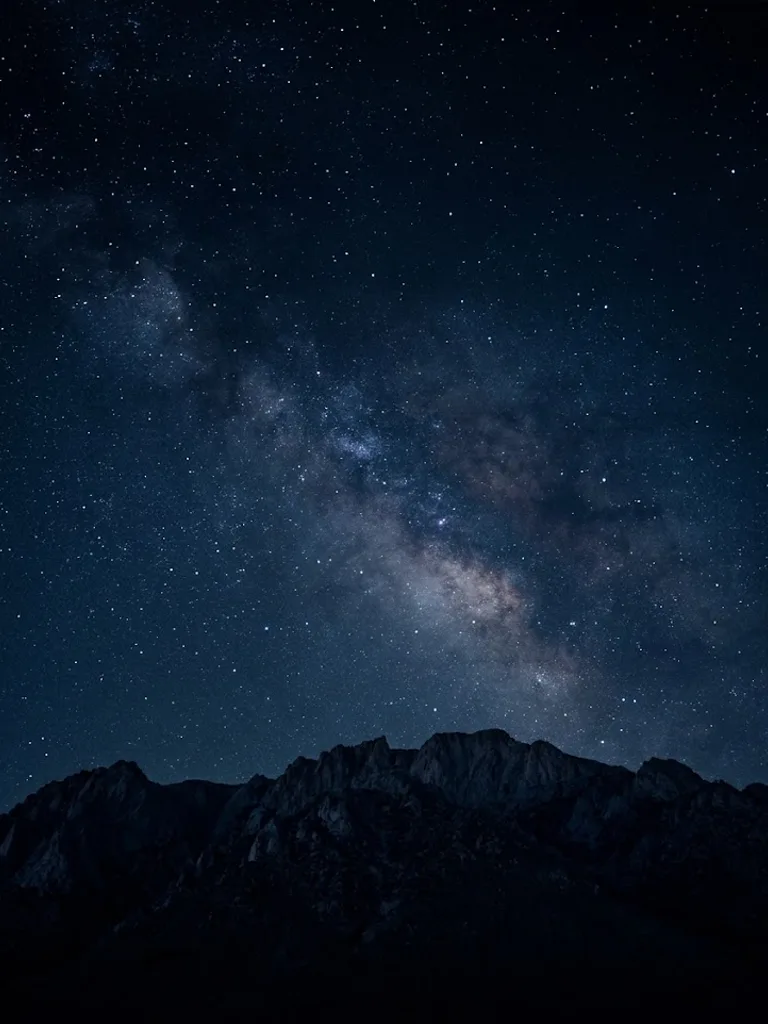
Last August the three of us drove up to the Montsec with two blankets and the usual list. Arnau was coming for the first time, pointed at some random star and said the line everybody says: that what we were looking at wasn’t there any more, that the light came from a star that died centuries ago. Well, no. Of the ones you can see with your own eyes, almost all are still burning, and two numbers prove it.
We left Lleida at eleven with the 29 degrees of August, which down in the plain counts as cool. Up there, at over 1,500 metres, August is another matter, and that is why the blankets live in the boot. Arnau’s line is a lovely one and I understand it. But it isn’t true, and the true version is better.
The first of the two is how far away the stars you can see without a telescope actually are. Almost everything you can pick out from your village sits closer than 1,000 light years, and even the most distant ones that reach your eye unaided fit inside about 4,000. Which means that light set off while people down here were building cathedrals. Not in the Jurassic.
The second number is how long a star lives. The small reddish ones, billions of years. The Sun has been burning for 4,600 million and has about the same left. The big blue ones, the ones you see from far away because they shine like a lighthouse, are the ones that die young: a few million years. Young for a star. Not for you.
Put the two numbers together and you have it. If a star lasts 10 million years and its light takes 1,000 to arrive, you are watching the final 0.01 % of its life. Sky at Night magazine put it in a figure I love: among the stars visible to the naked eye, one dies roughly every 10,000 years. One. Every ten thousand.
So out of the 9,000 you can see without a telescope across the whole sky (about 4,500 from wherever you are, because the ground hides the other half), the odds are that every single one is still alive. Maybe one has gone out and nobody has noticed. No more than that.
Where people get tangled up is with telescopes. Point one at something 50,000 light years away and the line starts to work, because there is plenty of time to die in there. And it works for explosions. The supernova that showed up in 1987 in the Large Magellanic Cloud went off some 168,000 years ago, so by the time we saw it, it had been dead all that while. But that is not the sky over your roof terrace. That is something else, and it still had to wait for somebody in Chile to look at a photo of the sky in the small hours.
Arnau wasn’t thrilled that I took his line away, so I gave him another one. Betelgeuse, the red one on Orion’s shoulder, is the real candidate to blow up, and that is why people check on it every week. It is all there. And when it goes, we will all find out the same night.
And yes, the 29 degrees were down below. At three in the morning, up there, we were fighting over the second blanket.