 Margen
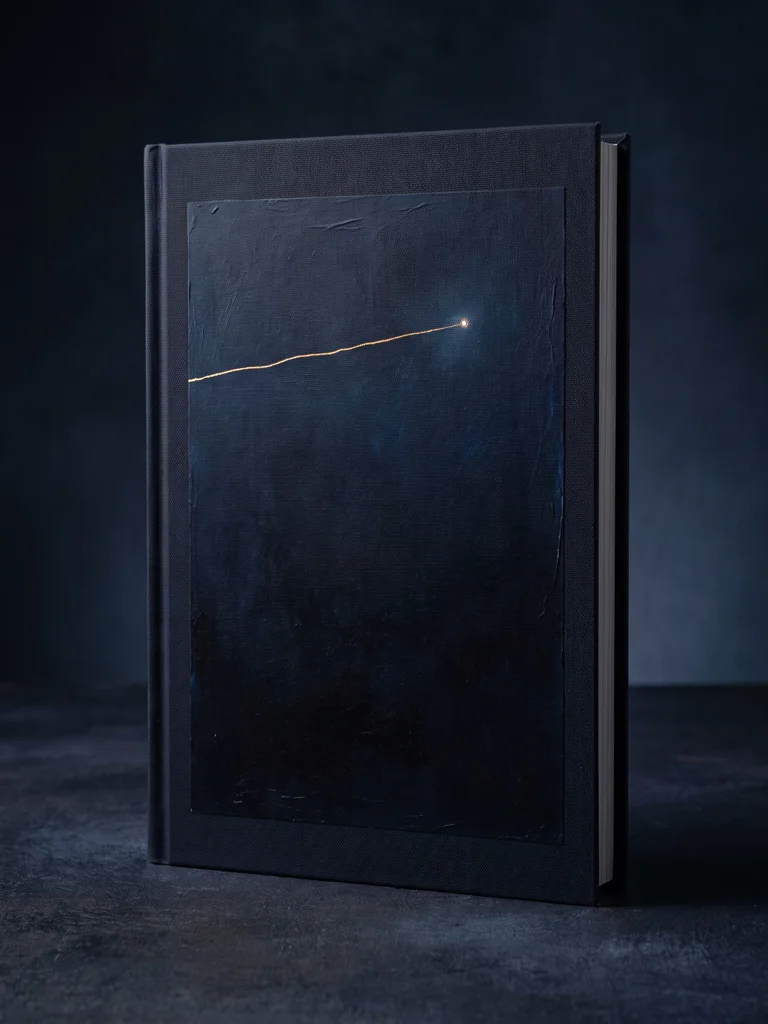
Voyager 1 launched in 1977 carrying less onboard memory than a single photo on your phone. It photographed Jupiter and Saturn as no one ever had and then, instead of retiring, headed for the exit. In 2012 it became the first human-made object to reach interstellar space.
It is still working today. Its transmitter has a laughably small output, comparable to a fridge light bulb, and yet its data crosses more than 24 billion kilometres to reach NASA's antennas. Each message travels at the speed of light and still takes almost a full day to arrive.
On board it carries a golden record with music, sounds of Earth and greetings in 55 languages. When it finally falls silent, within a few years, it will keep drifting for millions more. It will be our calling card long after we are gone.