 Margen
Did you know? · From the Margen catalogue
In 1868 London installed a traffic light and it blew up within a month
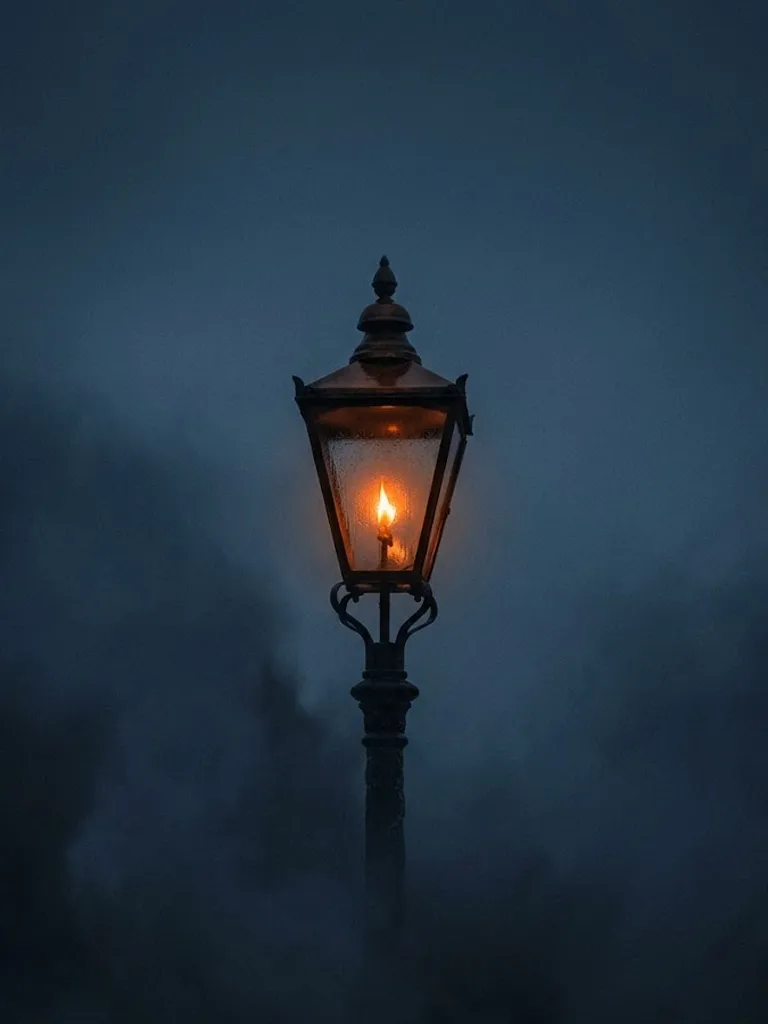
In 1868 London installed the world's first traffic light in front of Parliament, and twenty-three days later it exploded in the face of the officer operating it. It had been patented by John Peake Knight, a railway engineer tired of carriages running down pedestrians outside Westminster. He copied the signal system used on trains: moving arms that lifted and dropped to mean «go» or «stop», plus a gas lantern lit at night showing red or green. It debuted at half past three in the afternoon on 10 December. A constable worked it by hand, standing on a small pedestal.
It worked. The carriages stopped, and people crossed alive for the first time. The invention lasted three weeks. On the night of 2 January 1869 a leak from the street gas caught fire inside the light itself. The blast burned the constable on duty on his face and hands. They paid for his hospital, removed the device, and no one in England wanted to install another.
The next traffic light in the world went up in Cleveland almost fifty years later, in 1914, and by then it was electric. In between, London's traffic was managed by officers in white gloves waving their arms. Meaning: the traffic light took half a century to come back because the first one dared to carry fire inside. A traffic light, until 1914, was not a lit lamp: it was a lantern with a flame at the height of the constable's head.