 Margen
Did you know? · From the Margen catalogue
You were born with almost a hundred more bones than you have now
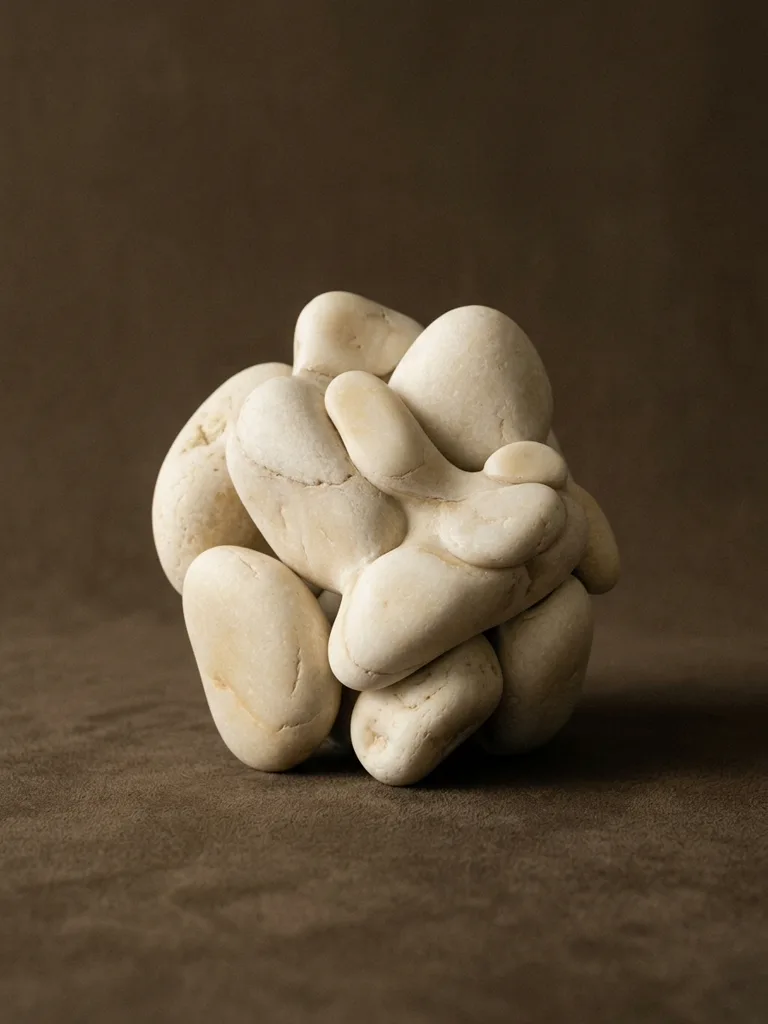
Count a newborn's bones and you'll get around 300. Count their father's and you'll get 206. Nothing has gone missing: many of those baby bones are loose pieces, partly made of cartilage, that fuse together over the years into larger bones.
The clearest example is the skull. A baby carries it in separate plates, joined by soft areas called fontanelles. They serve two purposes: letting the head compress during birth, and making room for a brain that grows at full speed. In time, the plates close like colliding continents. The same happens further down: five vertebrae fuse into a single piece, the sacrum, to carry the body's weight.
Two more details for the dinner table: more than half of your bones are in your hands and feet — 106 of the 206 — and the last one to finish fusing is the collarbone, which isn't considered done until well past the age of twenty.
The skeleton is not a fixed structure: it's a building that opens before it's finished.